Solvents: Properties, Toxicity, and Ecological Effects

📑 5 slides 👁 4 views 📅 10/9/2026
0.0 (0 ratings)

Solvents: An Overview

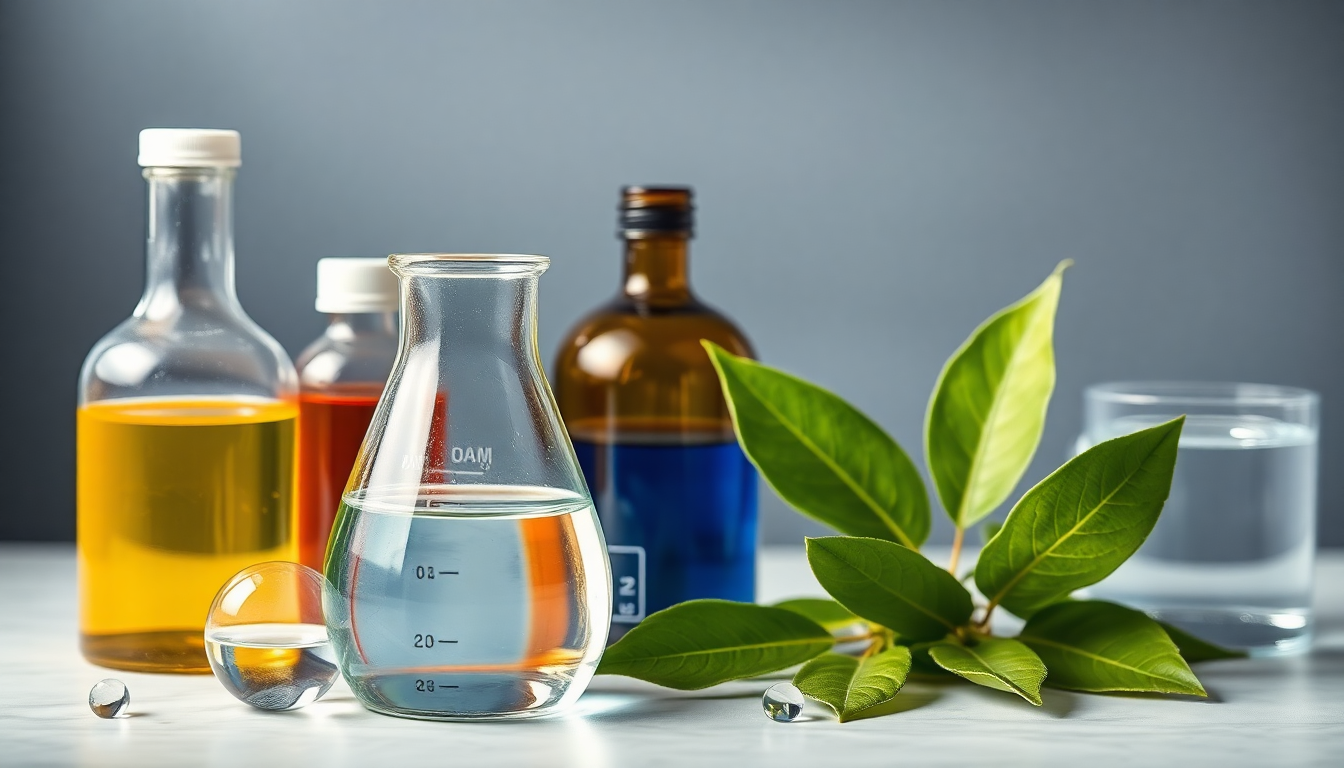
Solvents are substances that dissolve or disperse other materials; many are volatile liquids used in laboratories and industry.

Solvents: An Overview
2

Classification and Chemical Properties

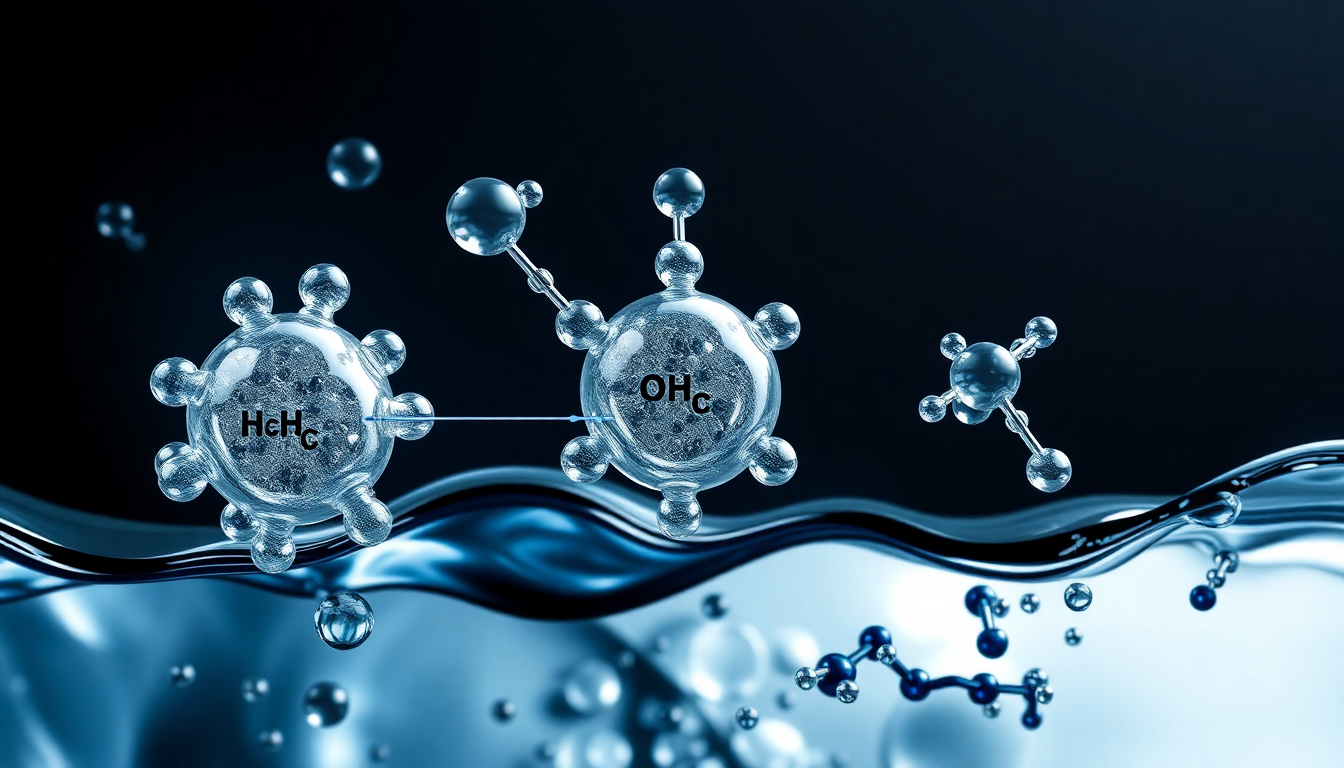
  • Hydrocarbon solvents include aliphatic and aromatic compounds; benzene and toluene are examples of aromatic solvents.
  • Oxygenated solvents include alcohols, ketones, and ethers; their polarity and water solubility vary by molecular structure.
  • Halogenated solvents contain chlorine or other halogens and may persist or degrade slowly in environmental conditions.
  • Volatility, lipophilicity, and solubility influence how solvents spread, enter organisms, and interact with tissues.
Classification and Chemical Properties
3

Exposure and Toxicity Mechanisms

  • People and wildlife may be exposed by inhalation, skin contact, or ingestion of contaminated air, water, soil, and food.
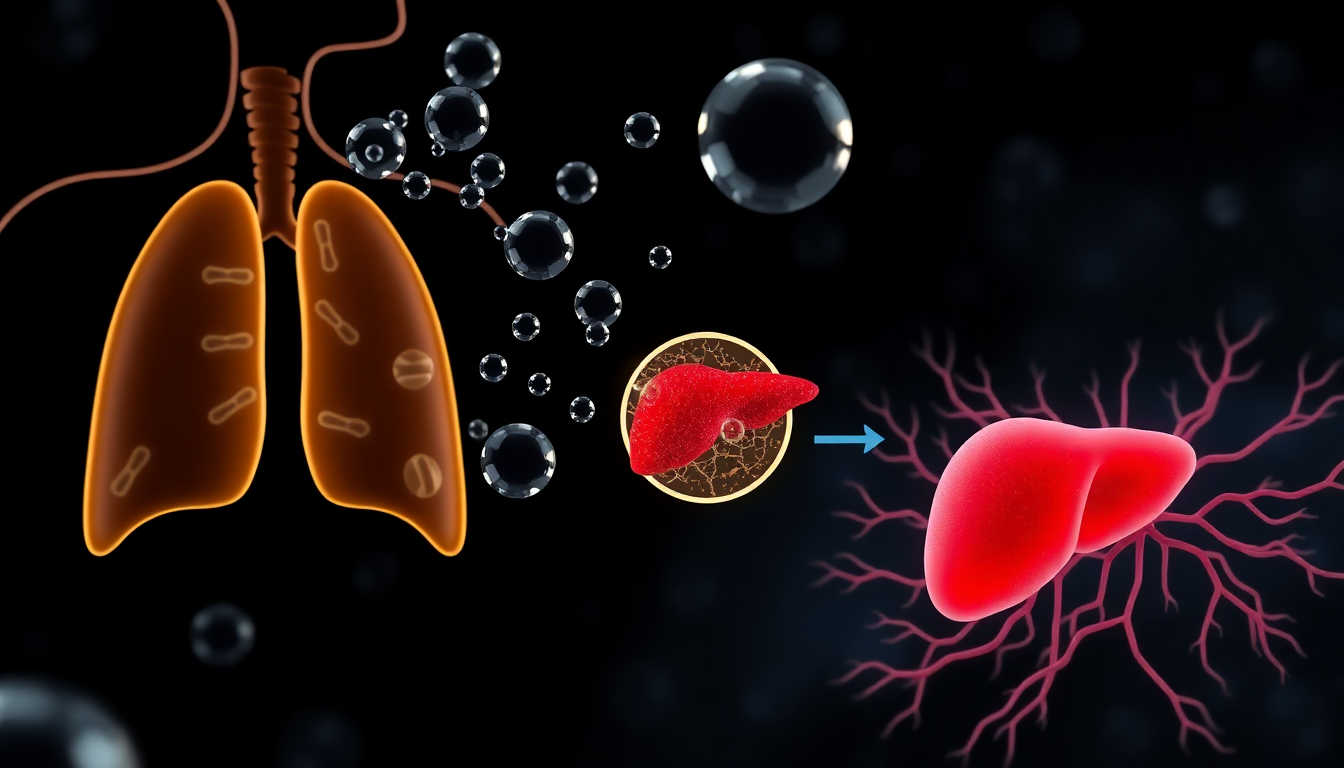
  • Many solvents dissolve in cell membranes, disturbing membrane structure and altering nerve-cell signaling and function.
  • Liver enzymes can transform solvents into metabolites; some metabolites increase oxidative stress or damage cellular components.
  • Acute exposure may cause dizziness or impaired coordination, while repeated exposure can harm organs and nervous systems.
Exposure and Toxicity Mechanisms
4

Bioaccumulation and Case Examples

  • Lipophilic solvents can partition into tissues, but persistence and metabolic breakdown determine whether they bioaccumulate.
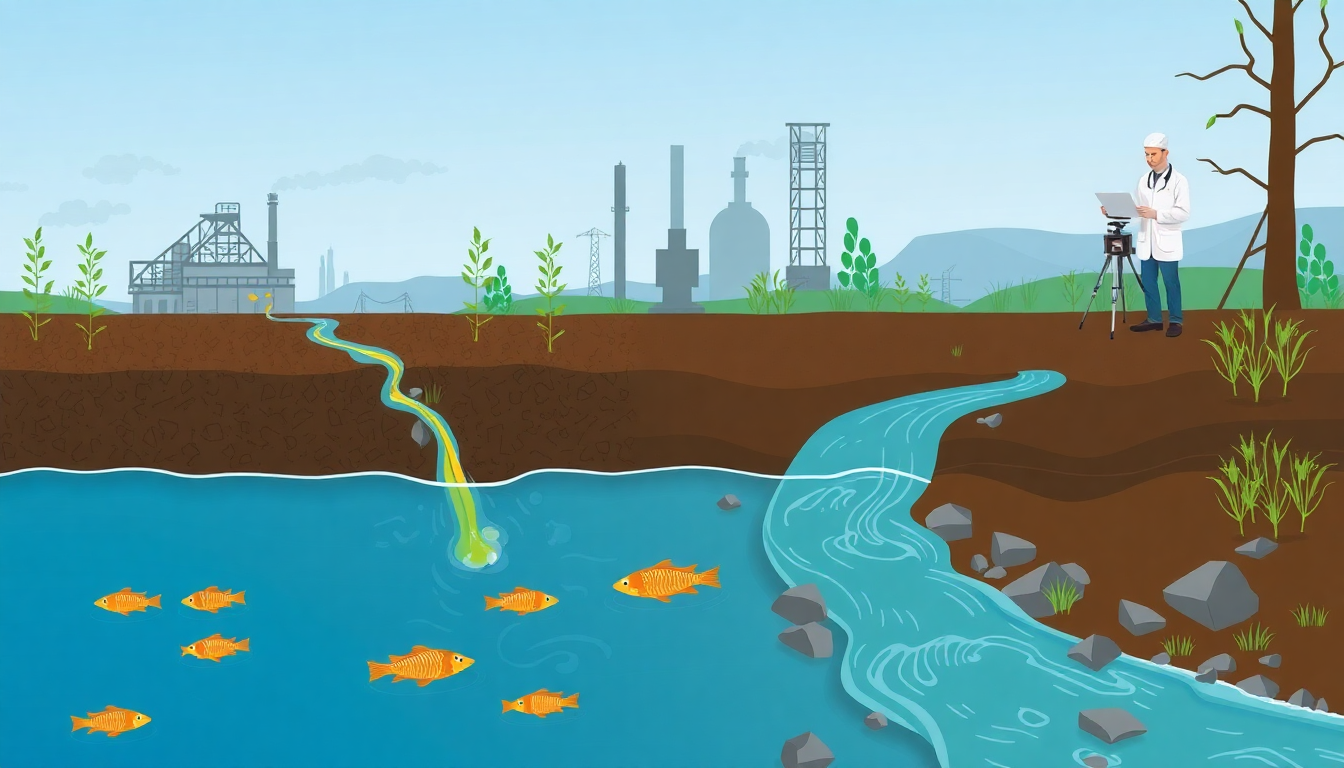
  • Volatile solvents may evaporate from water, while less volatile compounds can remain in sediments and expose aquatic organisms.
  • Benzene exposure is associated with blood-forming system toxicity; chronic exposure is a recognized human health concern.
  • Solvent releases near industrial sites can contaminate groundwater, illustrating how spills and poor waste handling create exposure pathways.
Bioaccumulation and Case Examples
5

Effects and Key Takeaways

  • In aquatic organisms, solvent exposure can impair behavior, growth, reproduction, and survival, with effects varying by species and dose.
  • Humans may experience central nervous system effects; risk reduction depends on ventilation, protective equipment, and exposure control.
  • Environmental assessment should consider concentration, exposure duration, degradation, transport, and sensitivity of local organisms.
  • The e-book was not supplied, so its case studies and references cannot be confirmed; consult the source before adding citations.
Effects and Key Takeaways
1 / 5