AI-Based Traffic Management System
📑 5 slides
👁 41 views
📅 3/9/2026
Problem Statement
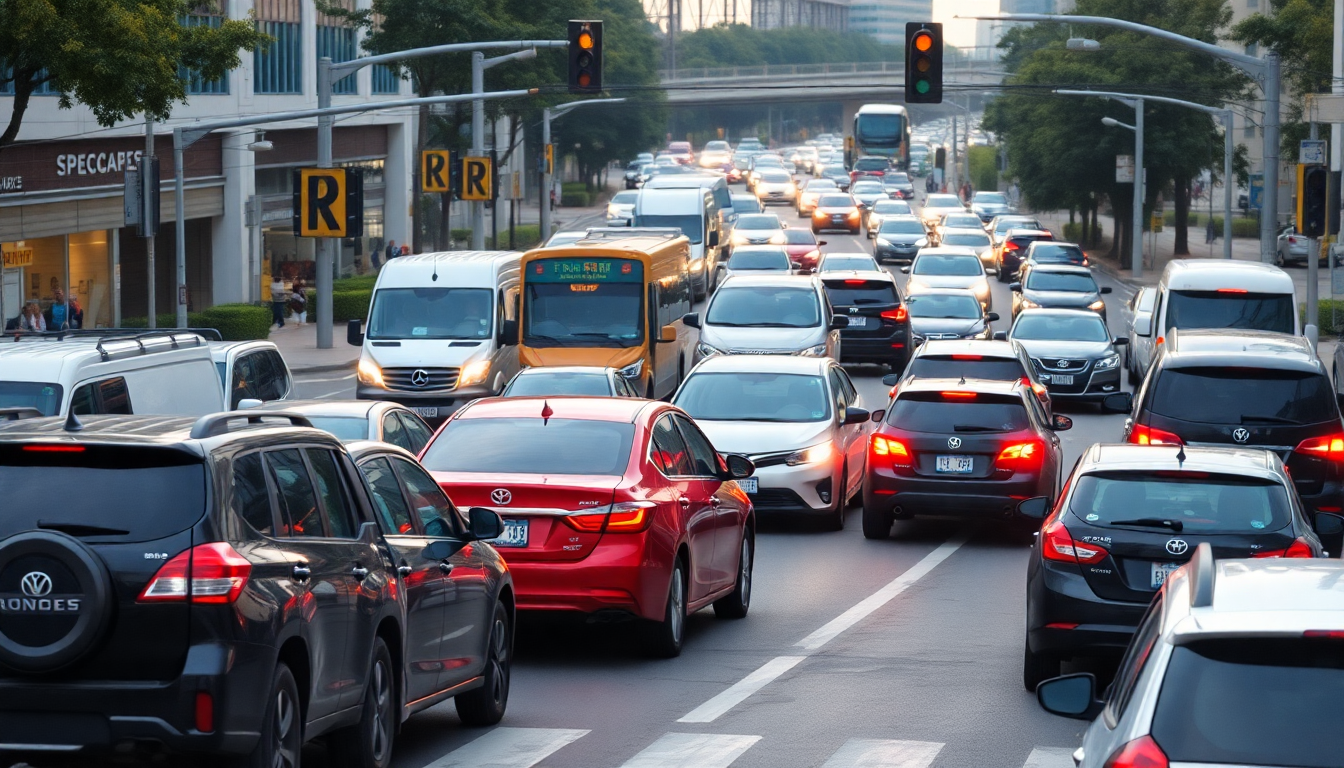
Urban traffic congestion costs cities billions annually in lost productivity and fuel.
2
Existing Systems
- Fixed-time traffic signals operate on predetermined schedules, causing inefficiencies.
- Sensor-based systems only cover limited areas and require extensive infrastructure.
- Manual monitoring is costly and cannot scale for metropolitan areas.
3
Proposed Solution
- AI algorithms analyze real-time traffic data from cameras and IoT sensors.
- Self-learning models predict congestion patterns and optimize signal timings dynamically.
- Cloud-based deployment allows city-wide scalability with minimal hardware upgrades.
4
Key Technologies
- Computer vision for vehicle detection and tracking with 95%+ accuracy rates.
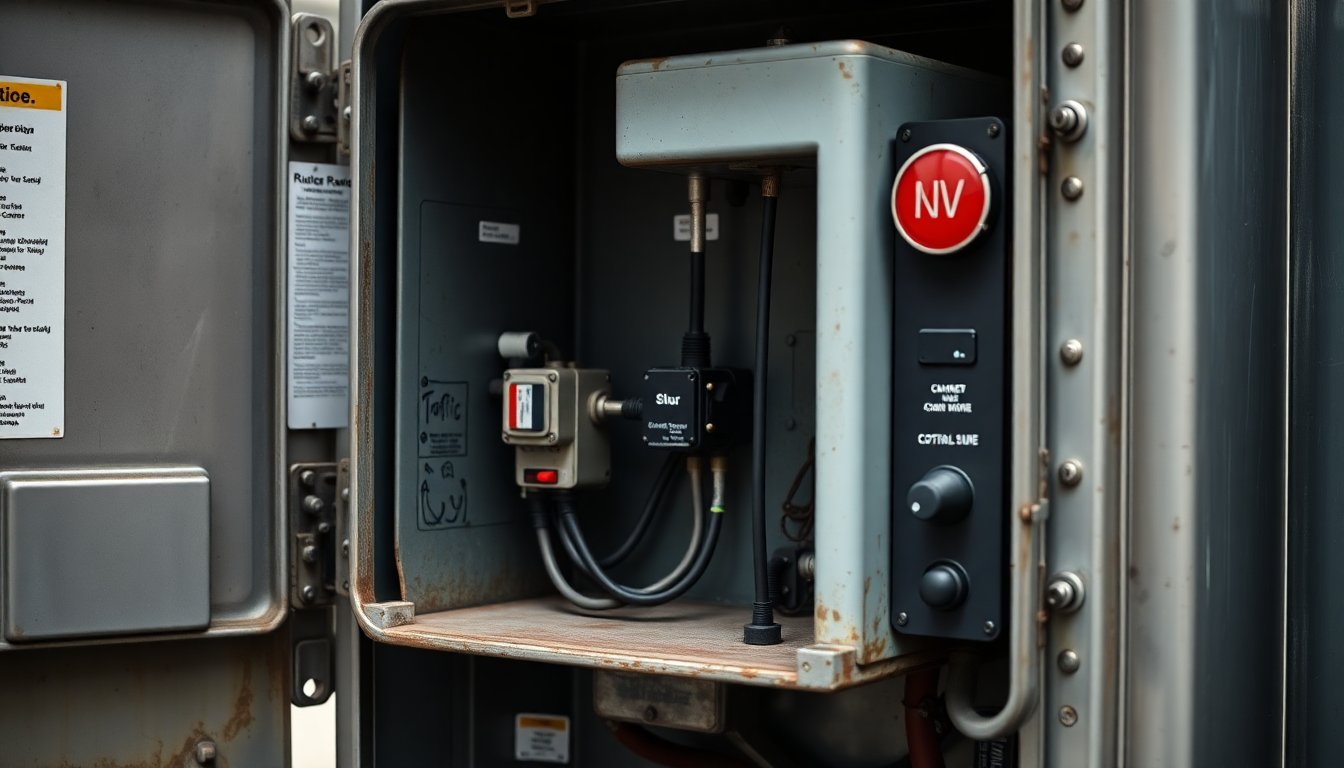
- Edge computing enables low-latency decision making at intersections.
- Predictive analytics models trained on historical and real-time traffic datasets.
5
Benefits & Future
- Pilot programs show 30-40% reduction in average commute times during peak hours.
- Scalable solution adaptable for smart city infrastructure development.
- Potential integration with autonomous vehicle networks for seamless mobility.
1 / 5