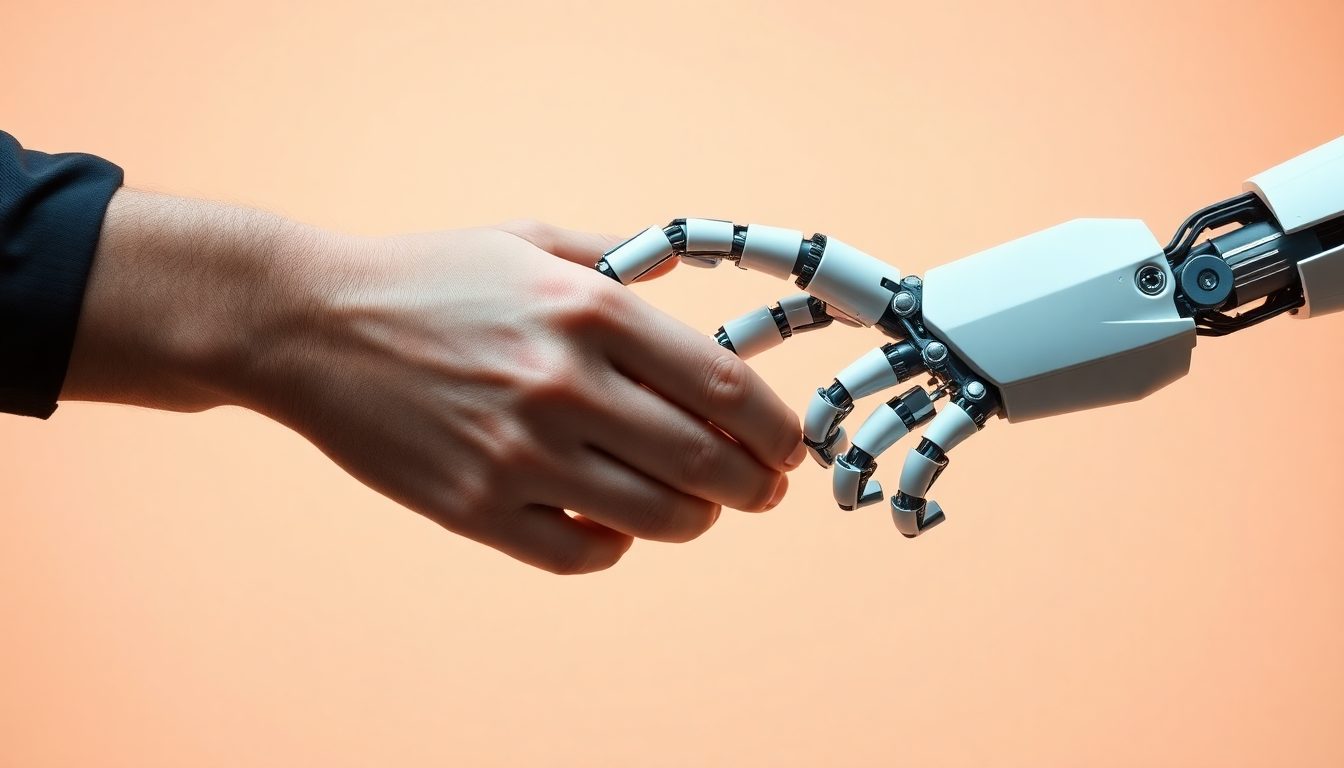
Content created using ChatGPT: Safety Concerns
📑 5 slides
👁 5 views
📅 2/27/2026
🌐 Web
Introduction to ChatGPT Content
ChatGPT generates human-like text based on user prompts
2
Common Safety Risks
- May generate biased or discriminatory content unintentionally
- Could provide inaccurate medical/legal advice without warnings
- Potential for plagiarism as sources aren't always cited
- Can be manipulated to create harmful or deceptive content
3
Detection Challenges
- AI content often indistinguishable from human writing
- Current detection tools have high false-positive rates
- Sophisticated prompts can bypass safety filters
- No standardized verification system for AI-generated content
4
Mitigation Strategies
- Always fact-check AI-generated information with reliable sources
- Use plagiarism checkers before publishing ChatGPT content
- Implement human review processes for sensitive topics
- Stay updated on AI's limitations and ethical guidelines
5
Conclusion & Best Practices
- ChatGPT is powerful but requires responsible usage
- Never use AI content unchecked for critical applications
- Combine AI efficiency with human judgment for best results
- Future improvements needed for better safety features
1 / 5