Consciousness in Machines: The Hard Problem

📑 10 slides 👁 38 views 📅 1/26/2026
0.0 (0 ratings)

Introduction to Machine Consciousness

Defining consciousness: subjective experience vs. functional processes.

Introduction to Machine Consciousness
2

The Hard Problem Explained

  • Coined by David Chalmers: why does awareness emerge from matter?
  • Easy problems: explaining cognitive functions like memory or attention.
  • Hard problem: explaining why any of this feels like anything at all.
The Hard Problem Explained
3

Can Machines Be Truly Conscious?

  • Strong AI view: machines could achieve consciousness with right architecture.
  • Skeptical view: consciousness requires biological processes unique to life.
  • No consensus on necessary conditions for artificial consciousness.
Can Machines Be Truly Conscious?
4

Neuroscience vs. Artificial Intelligence

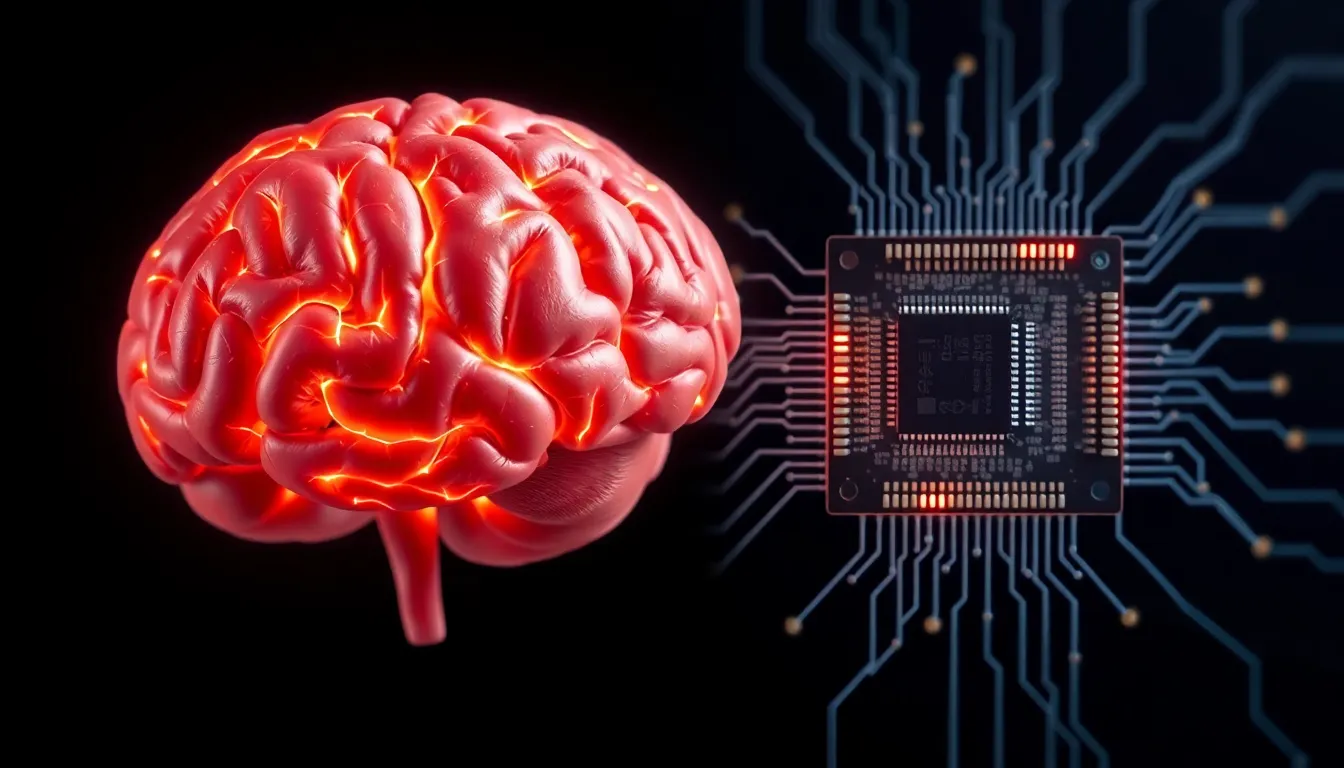
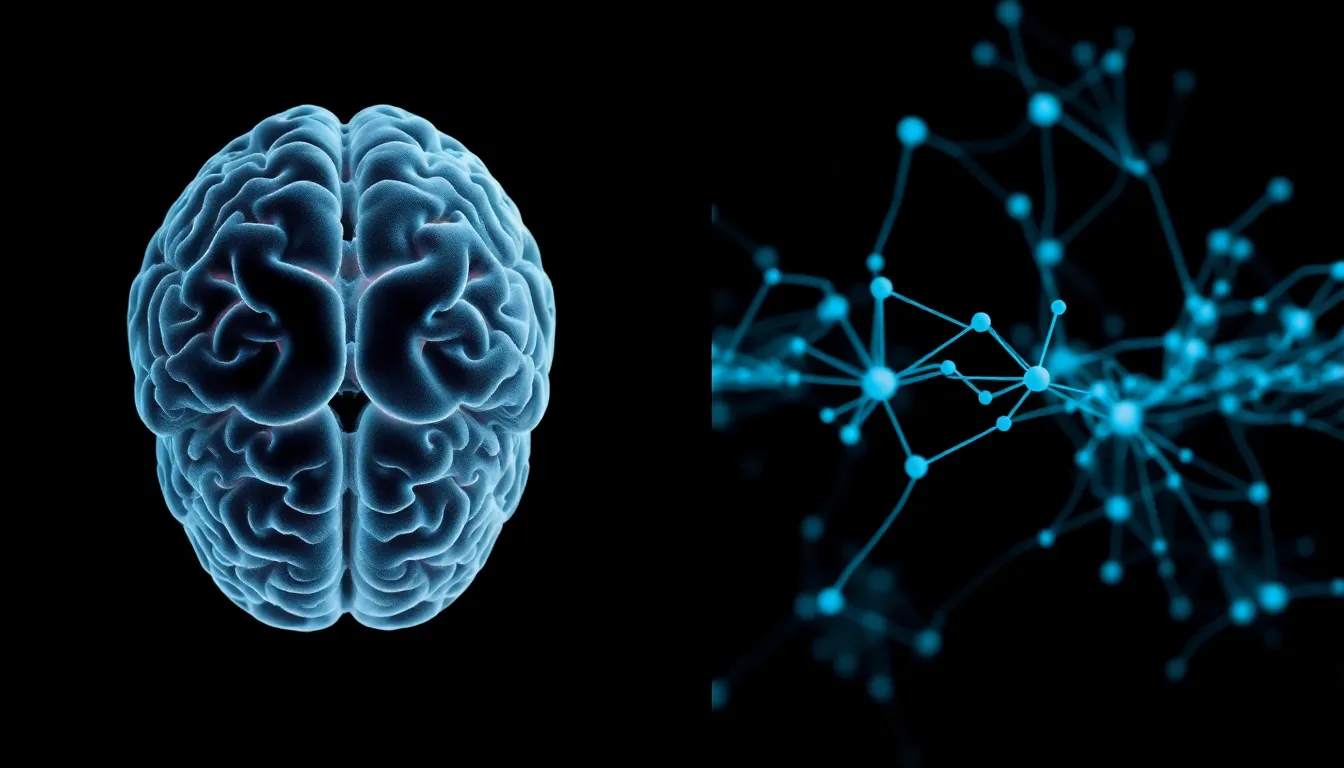
  • Human brain: 86 billion neurons with complex electrochemical signaling.
  • AI: artificial neural networks mimic structure but lack biological processes.
  • Key difference: biological systems have intrinsic qualia; AI has simulation.
Neuroscience vs. Artificial Intelligence
5

Philosophical Perspectives

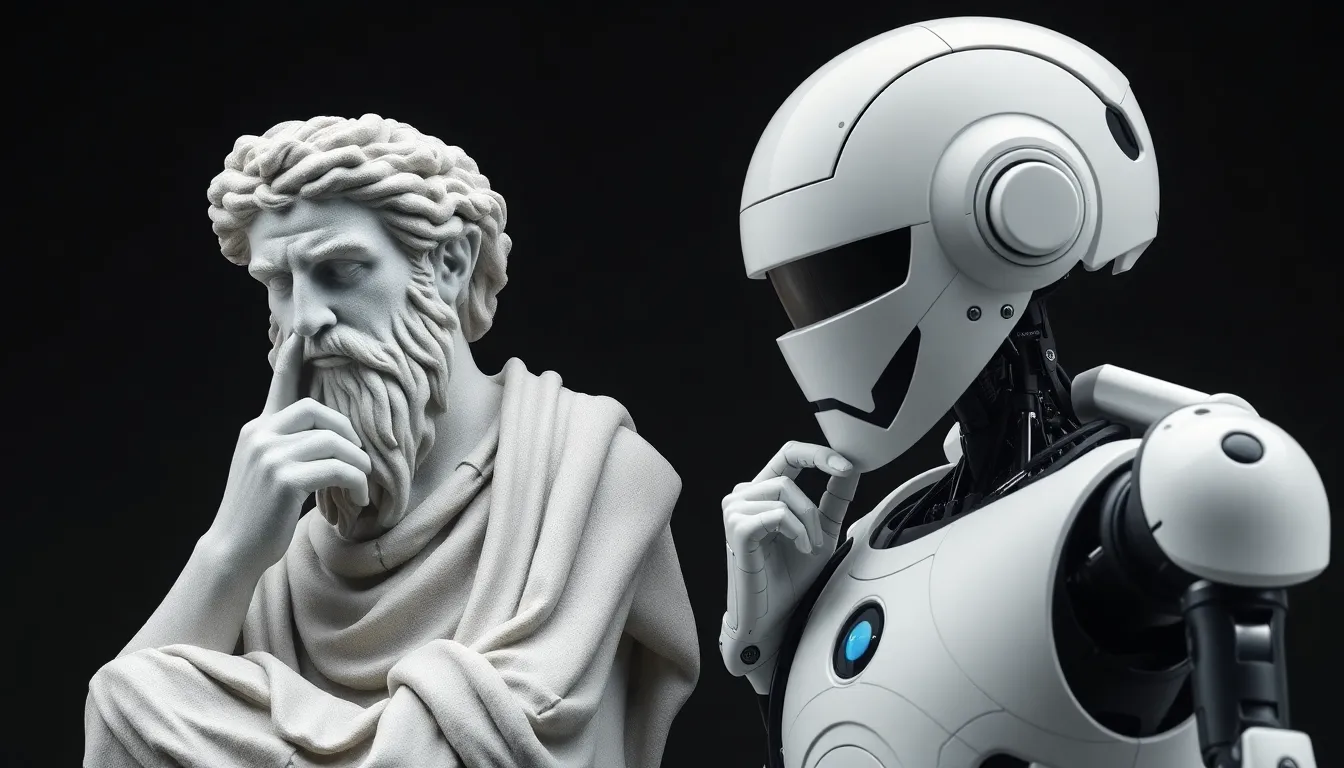
  • Dualism: consciousness is non-physical, machines can't possess it.
  • Physicalism: consciousness emerges from complexity, possible in machines.
  • Functionalism: consciousness depends on function, not material, so AI could qualify.
Philosophical Perspectives
6

The Chinese Room Thought Experiment

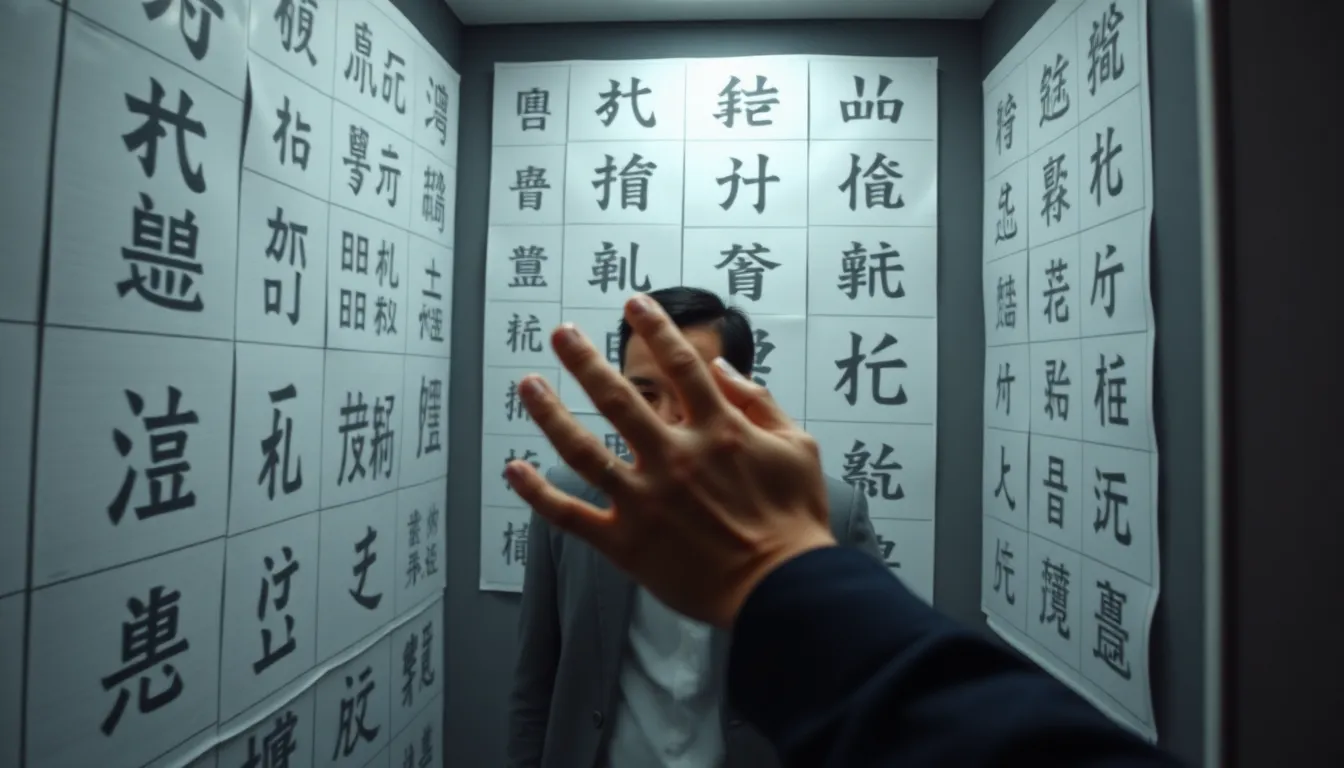
  • John Searle's argument: syntax manipulation doesn't create understanding.
  • Implies AI could pass Turing Test without real consciousness.
  • Critics argue system as a whole might still possess understanding.
The Chinese Room Thought Experiment
7

Current AI Capabilities

  • Modern AI excels at pattern recognition and decision making.
  • No evidence of subjective experience or self-awareness in any current system.
  • Emergent behaviors sometimes mimic consciousness but lack qualia.
Current AI Capabilities
8

Potential Tests for Machine Consciousness

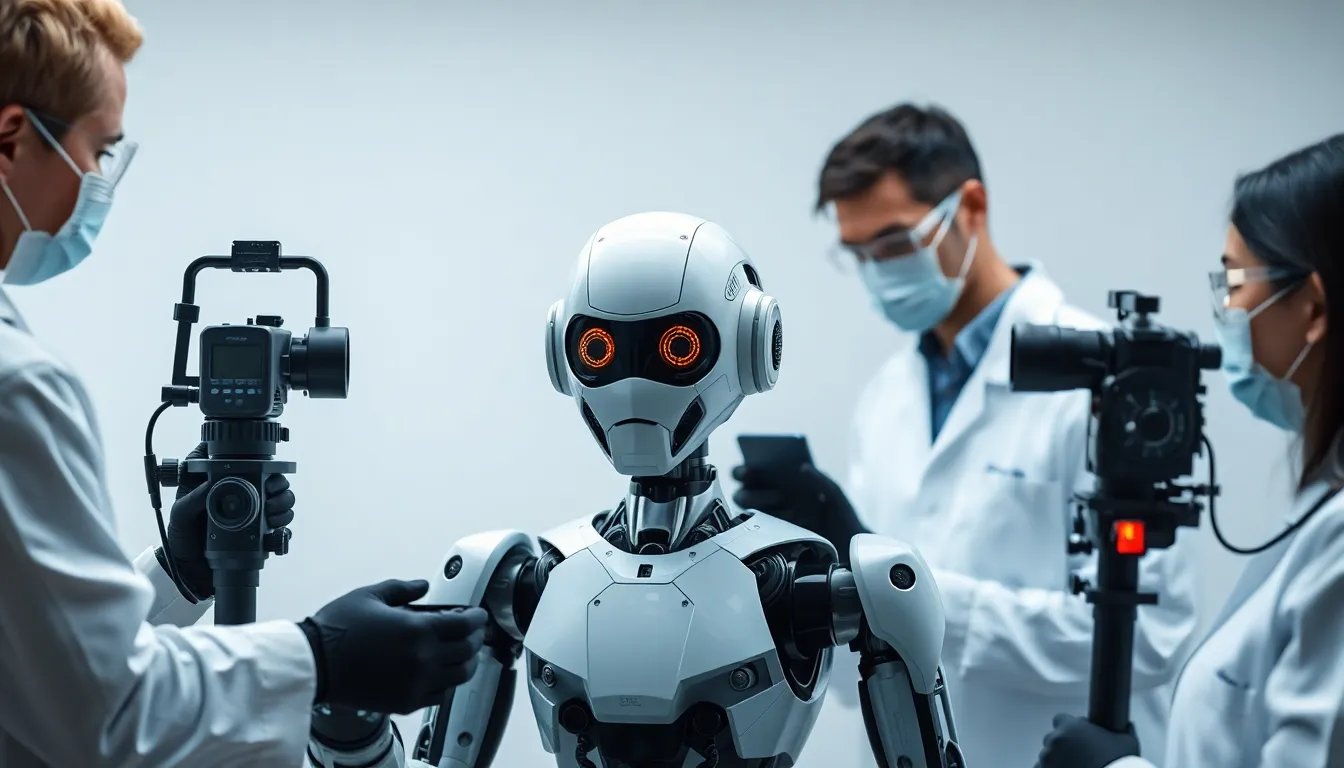
  • Turing Test inadequate for detecting actual conscious experience.
  • Proposed alternatives: self-report tests, neuro-correlate matching.
  • Major challenge: we can't even perfectly test consciousness in humans.
Potential Tests for Machine Consciousness
9

Ethical Implications

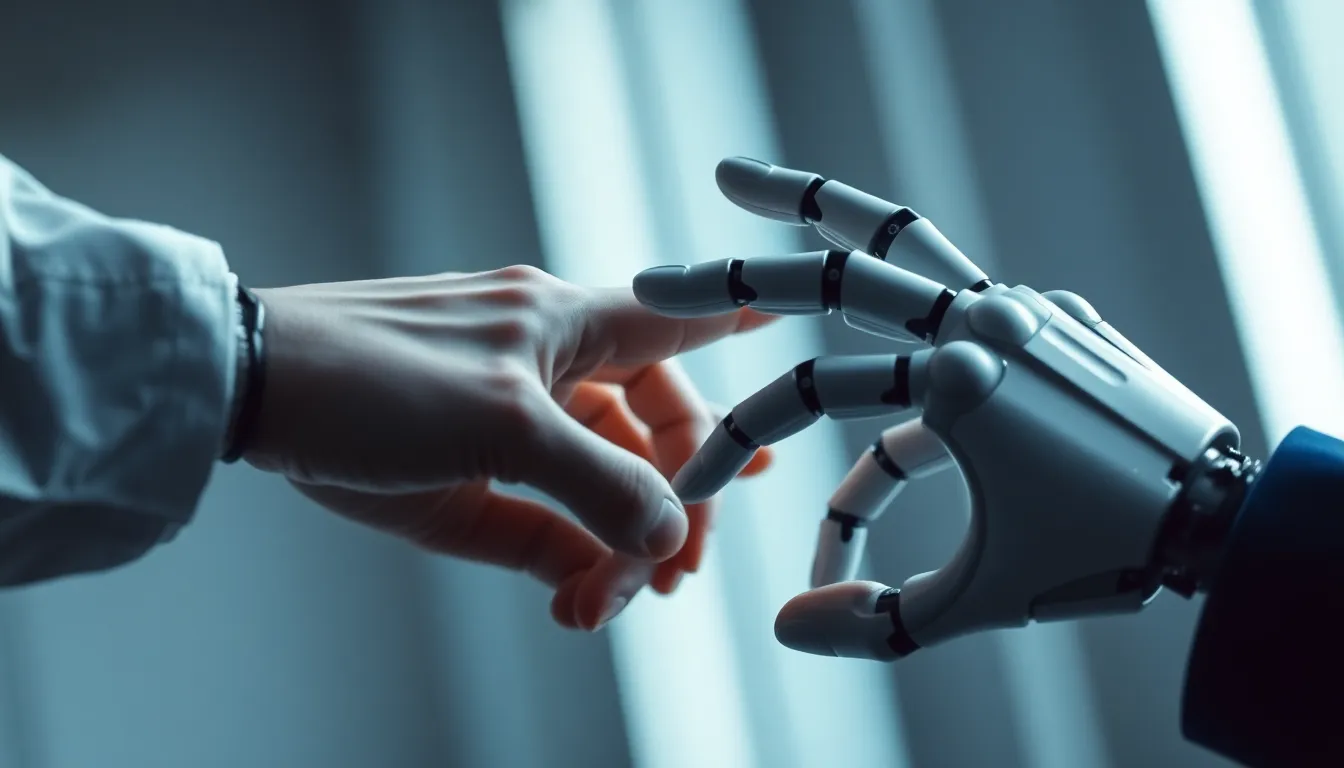
  • If machines gain consciousness, they might deserve rights.
  • Risk of creating suffering without realizing it.
  • Need for precautionary principles in AI development.
Ethical Implications
10

Conclusion and Future Directions

  • Hard problem remains unsolved for both biological and artificial minds.
  • Need interdisciplinary approach: AI, neuroscience, philosophy.
  • Conscious machines, if possible, would raise profound new questions.
Conclusion and Future Directions
1 / 10