Chemistry Analyzer: Components, Working, and Maintenance
📑 10 slides
👁 41 views
📅 1/20/2026
Introduction to Chemistry Analyzers
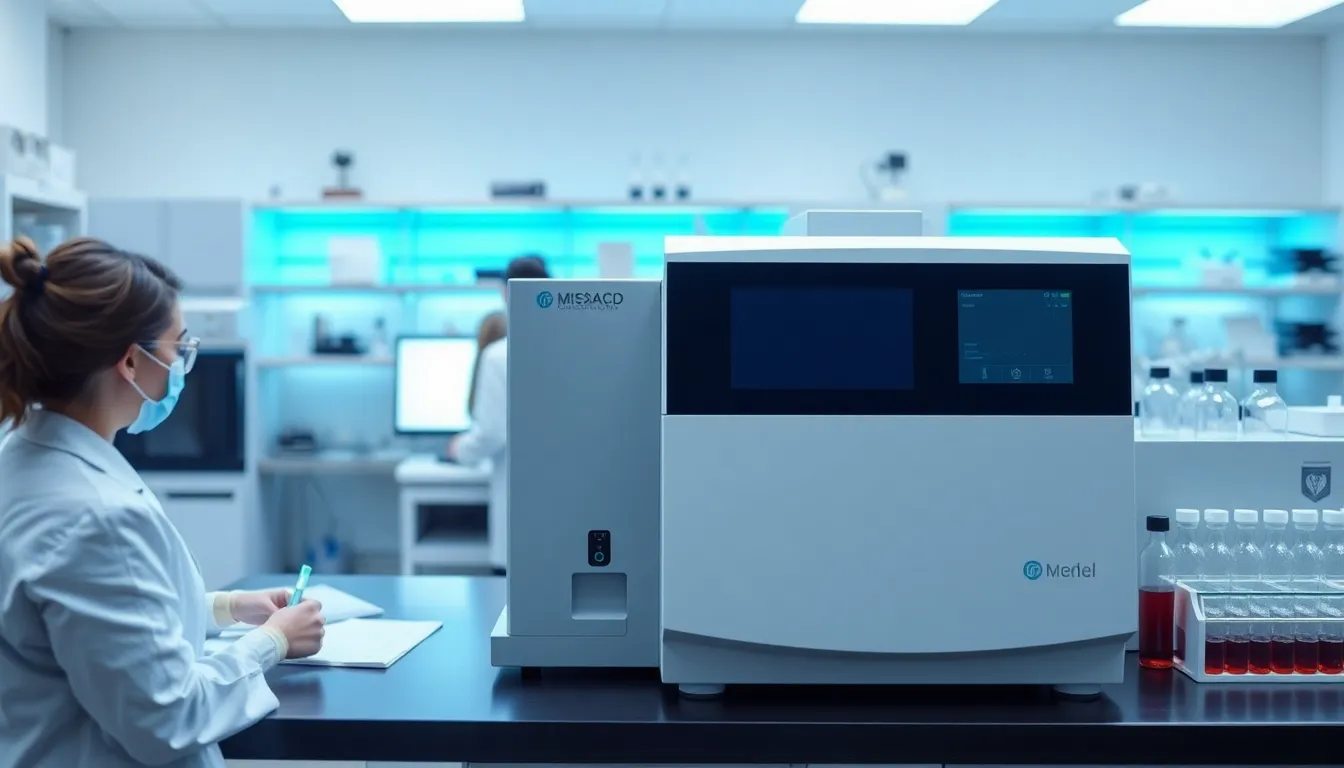
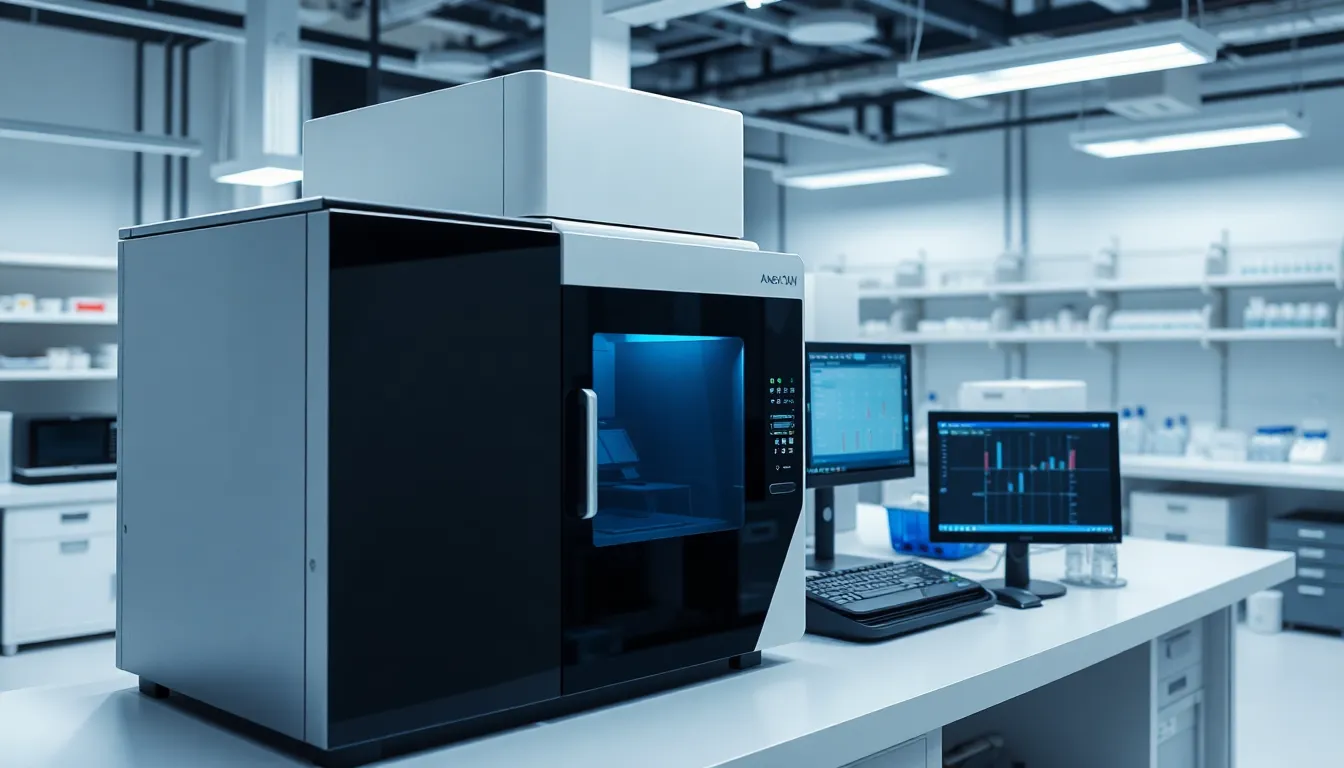
Chemistry analyzers are devices used to measure chemical components in biological samples like blood or urine.
2
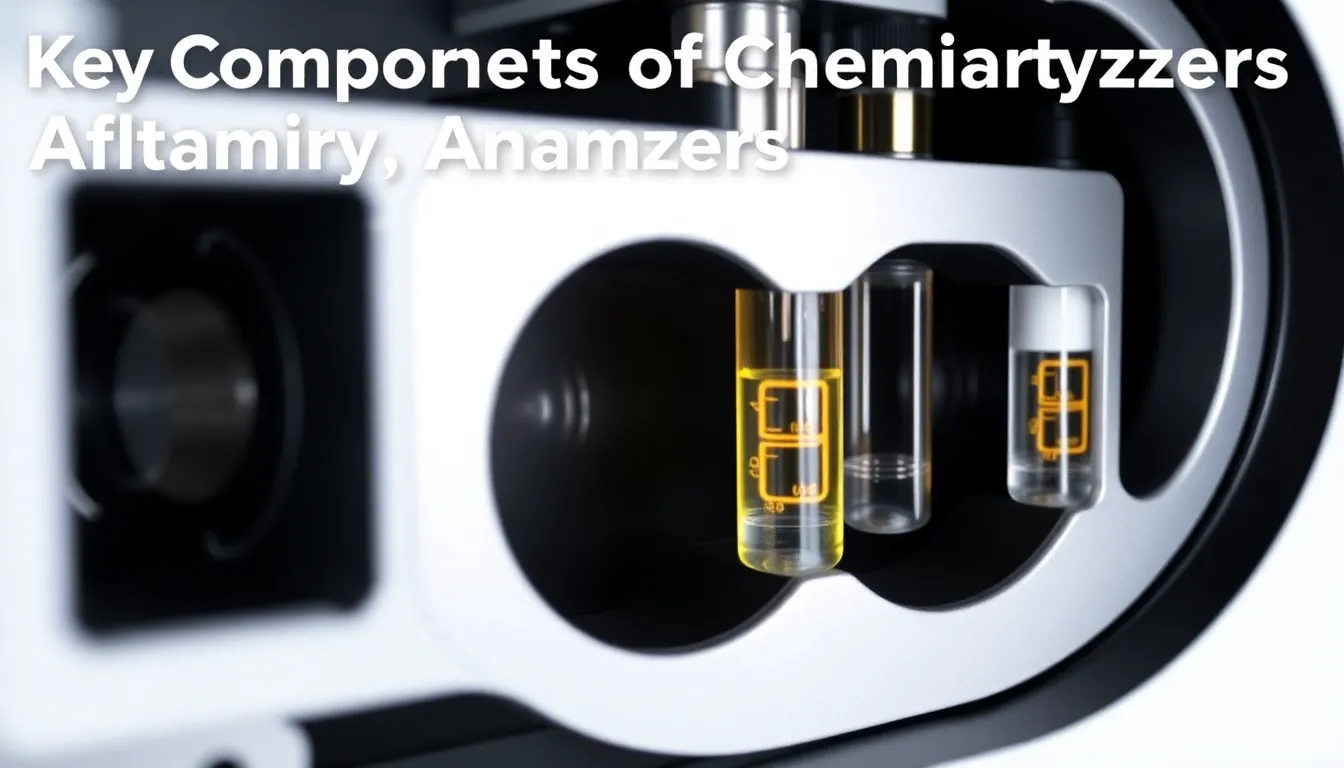
Key Components of Chemistry Analyzers
- Sample handling system: Manages sample intake, mixing, and transport to reaction cells.
- Reaction cells: Where chemical reactions occur between samples and reagents.
- Detection system: Measures absorbance, fluorescence, or other signals to quantify analytes.
3
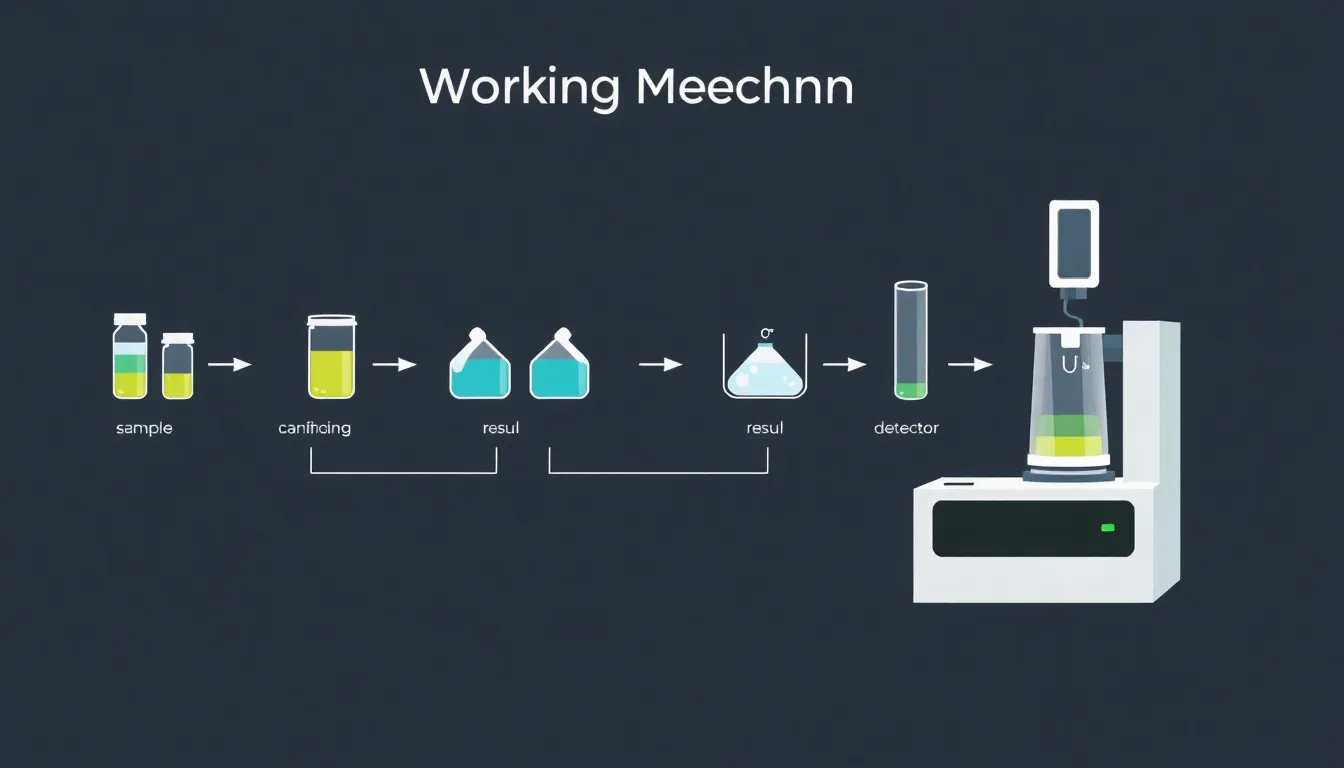
Working Mechanism
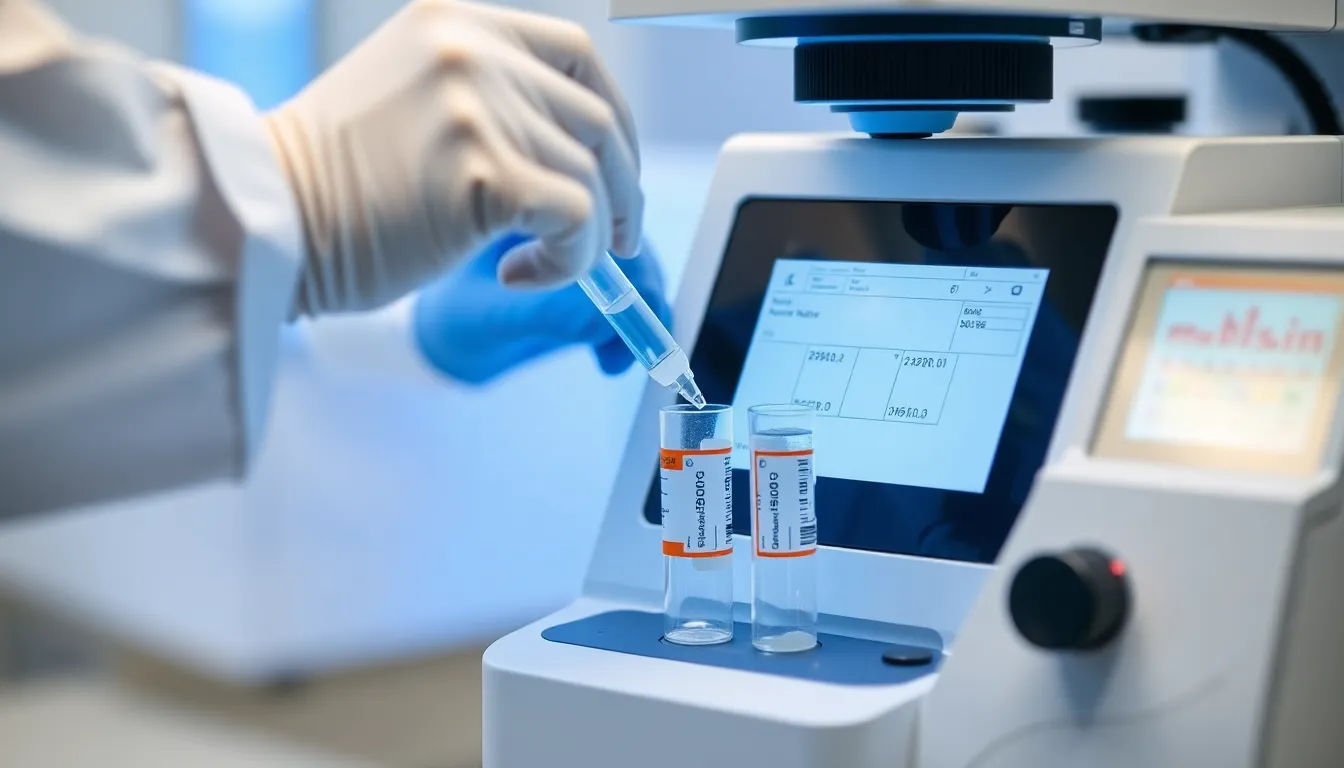
- Samples are loaded and mixed with specific reagents to trigger chemical reactions.
- Optical or electrochemical detectors measure reaction products to determine analyte levels.
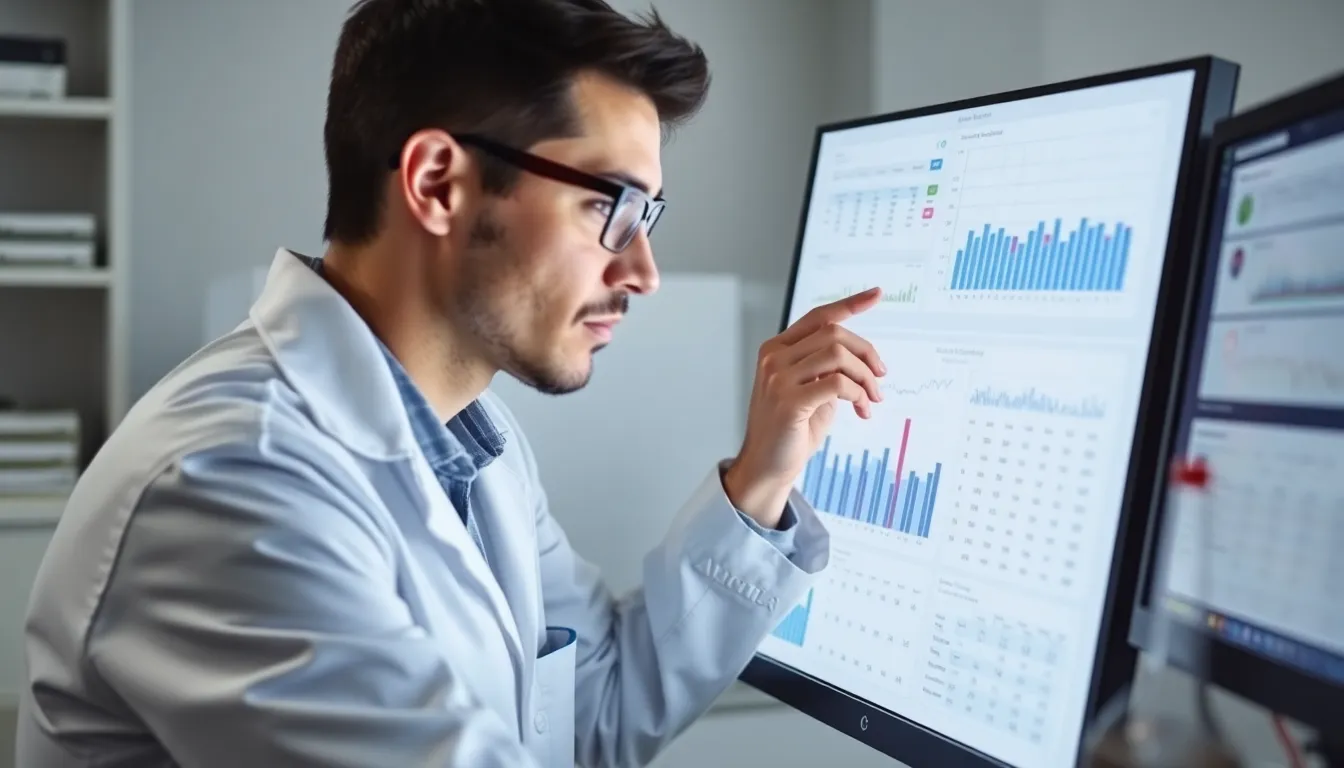
- Data is processed by software to generate readable results, often in minutes.
4
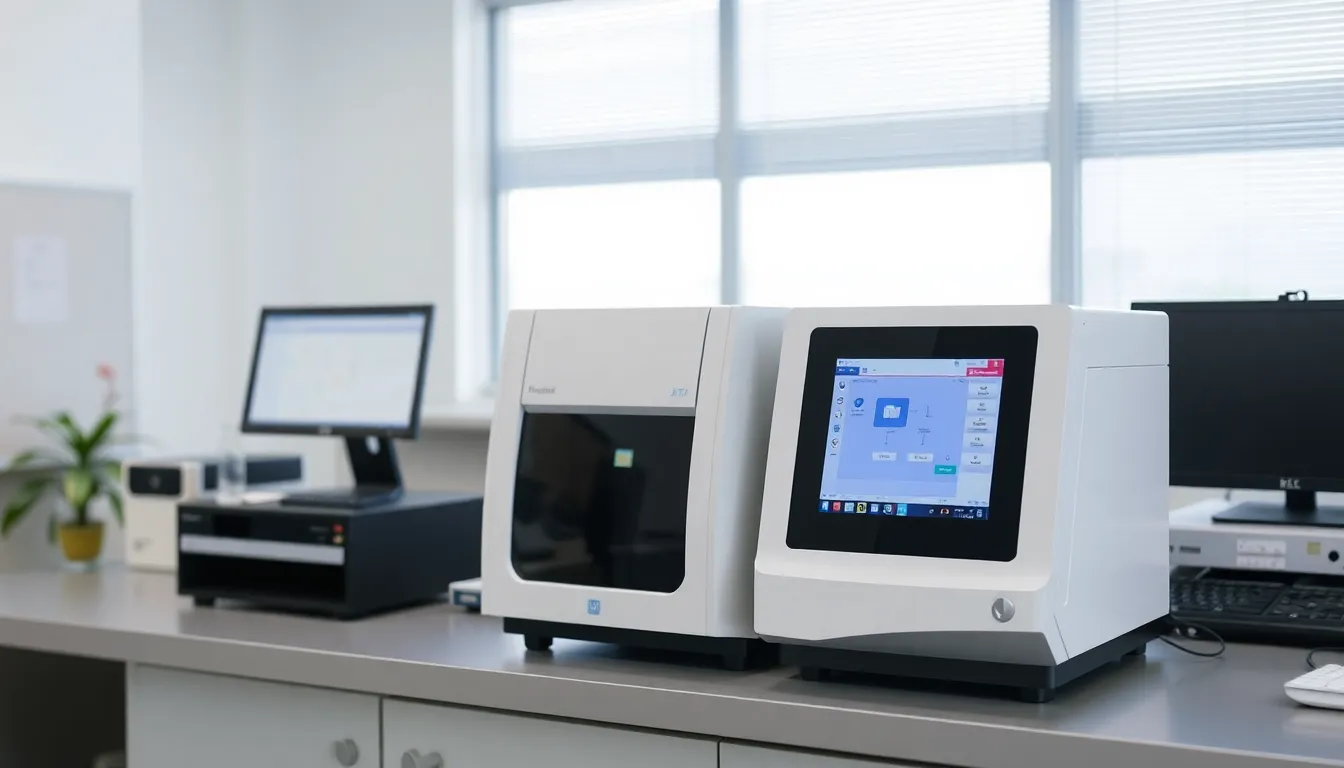
Semi-Automated Analyzers
- Require manual steps like sample loading and reagent addition by the operator.
- Lower throughput but more affordable, suitable for small labs or specific tests.
- Example: Photoelectric colorimeters used for basic biochemical assays.
5
Fully Automated Analyzers
- Handle all steps automatically, from sample loading to result reporting.
- High throughput, processing hundreds of samples per hour with minimal human intervention.
- Common in large hospitals and reference labs for routine testing.
6
Calibration Process
- Calibration ensures accuracy by comparing analyzer output to known standard values.
- Uses calibrators with precise concentrations of analytes to adjust the system.
- Should be performed regularly, often daily or per batch of tests.
7
Quality Control (QC) in Analyzers
- QC involves running control samples to verify the analyzer's precision and accuracy.
- Westgard rules or similar protocols detect errors and ensure reliable results.
- Essential for maintaining compliance with lab accreditation standards.
8
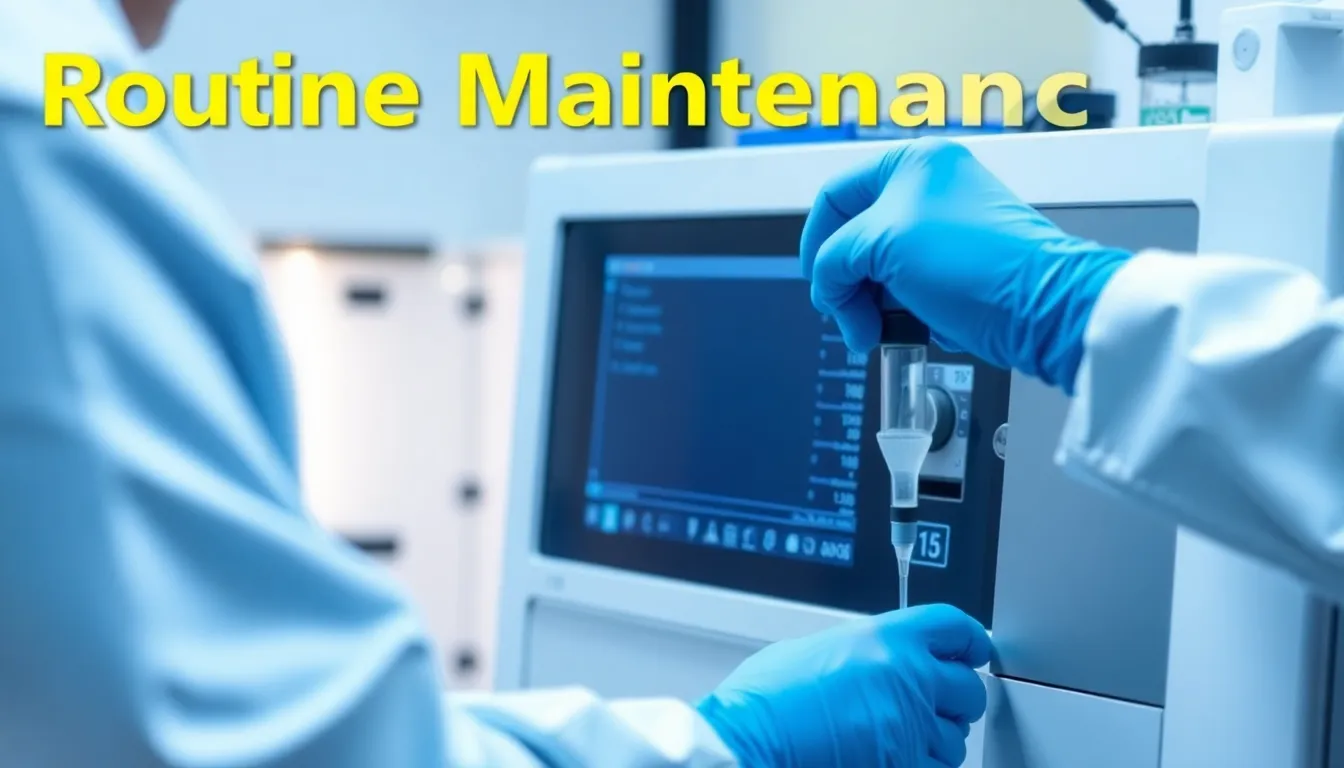
Routine Maintenance
- Daily cleaning of probes and sample paths to prevent carryover and contamination.
- Regular replacement of wear parts like tubing and filters to avoid breakdowns.
- Software updates and performance checks to ensure optimal functioning.
9
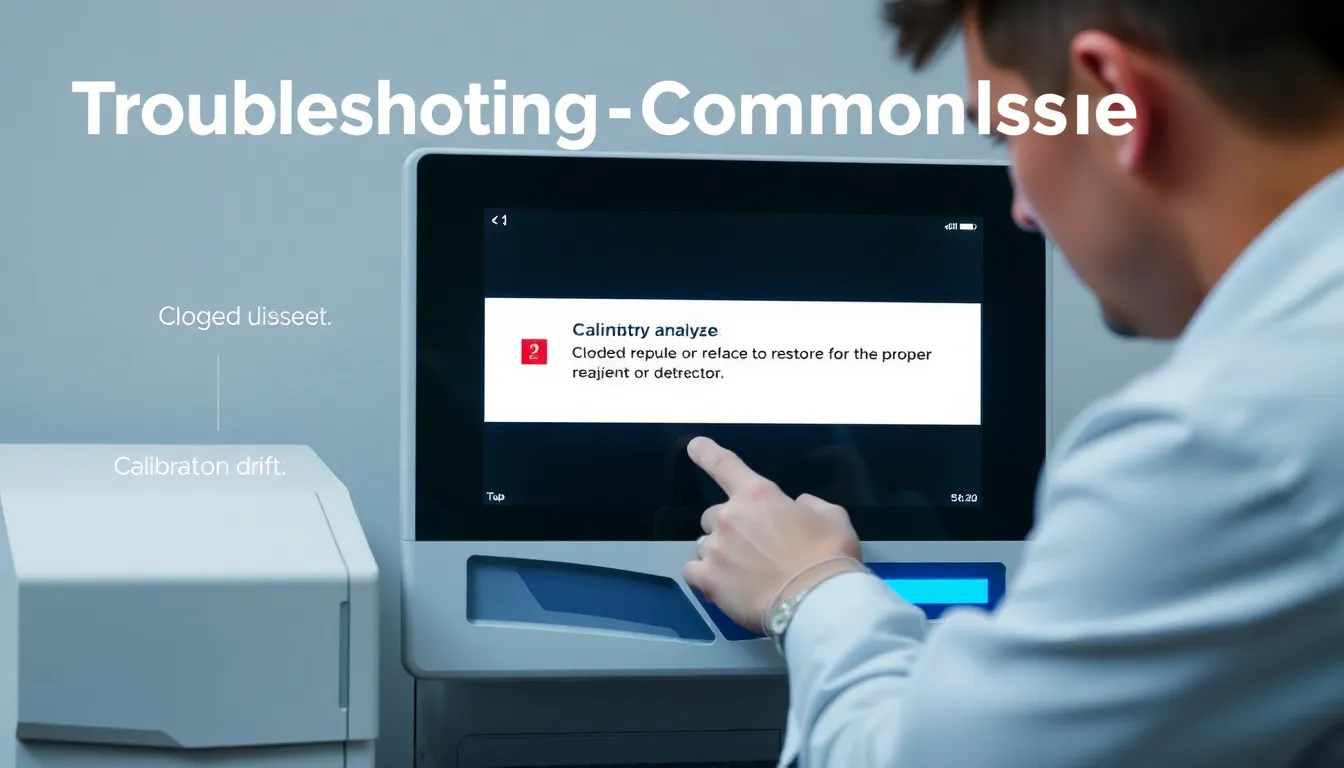
Troubleshooting Common Issues
- Clogged probes: Clean or replace to restore proper sample flow.
- Calibration drift: Recalibrate and check reagent integrity or detector alignment.
- Software errors: Restart system or contact technical support for updates.
10
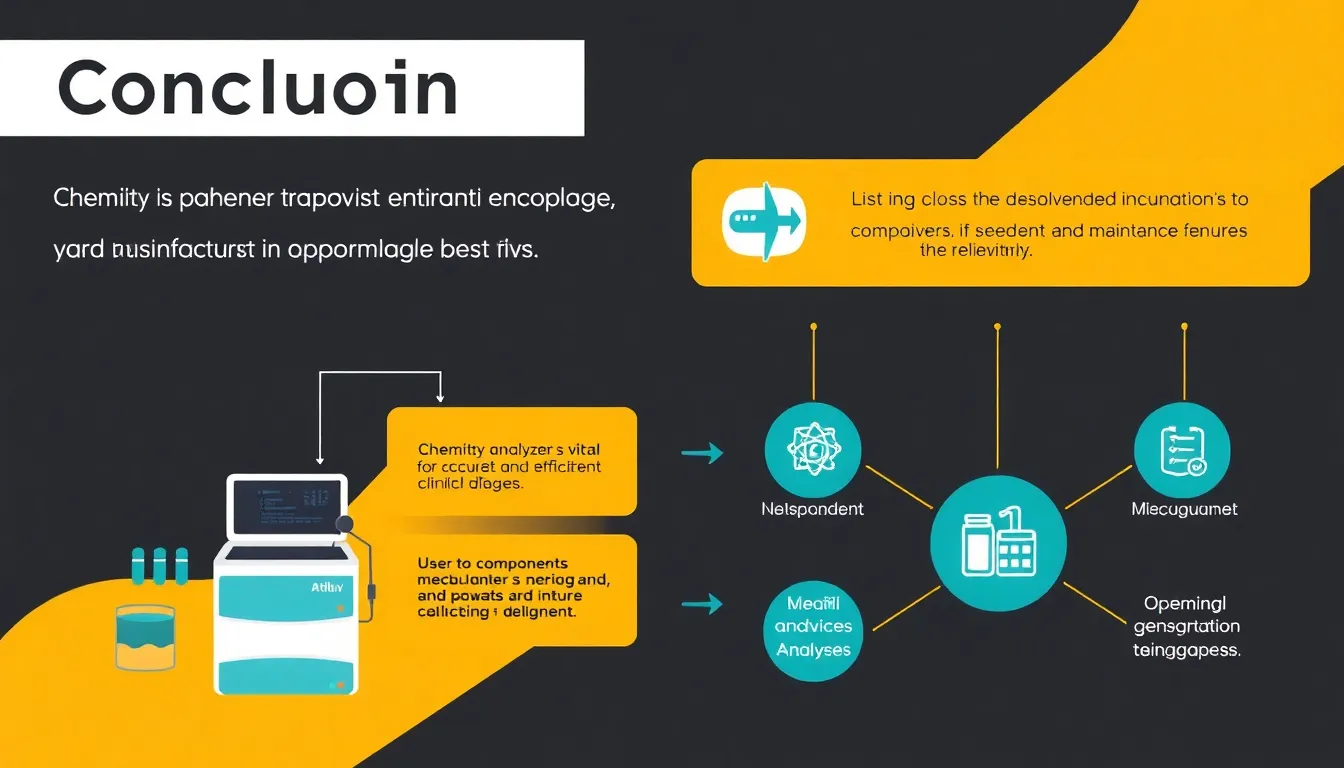
Conclusion and Summary
- Chemistry analyzers are vital for accurate and efficient clinical diagnostics.
- Understanding components, mechanisms, and maintenance ensures reliable operation.
- Regular calibration and QC are critical for delivering precise patient results.
1 / 10