Chemistry: Matter and Its Transformations
📑 5 slides
👁 2 views
📅 10/7/2026
What Is Chemistry?
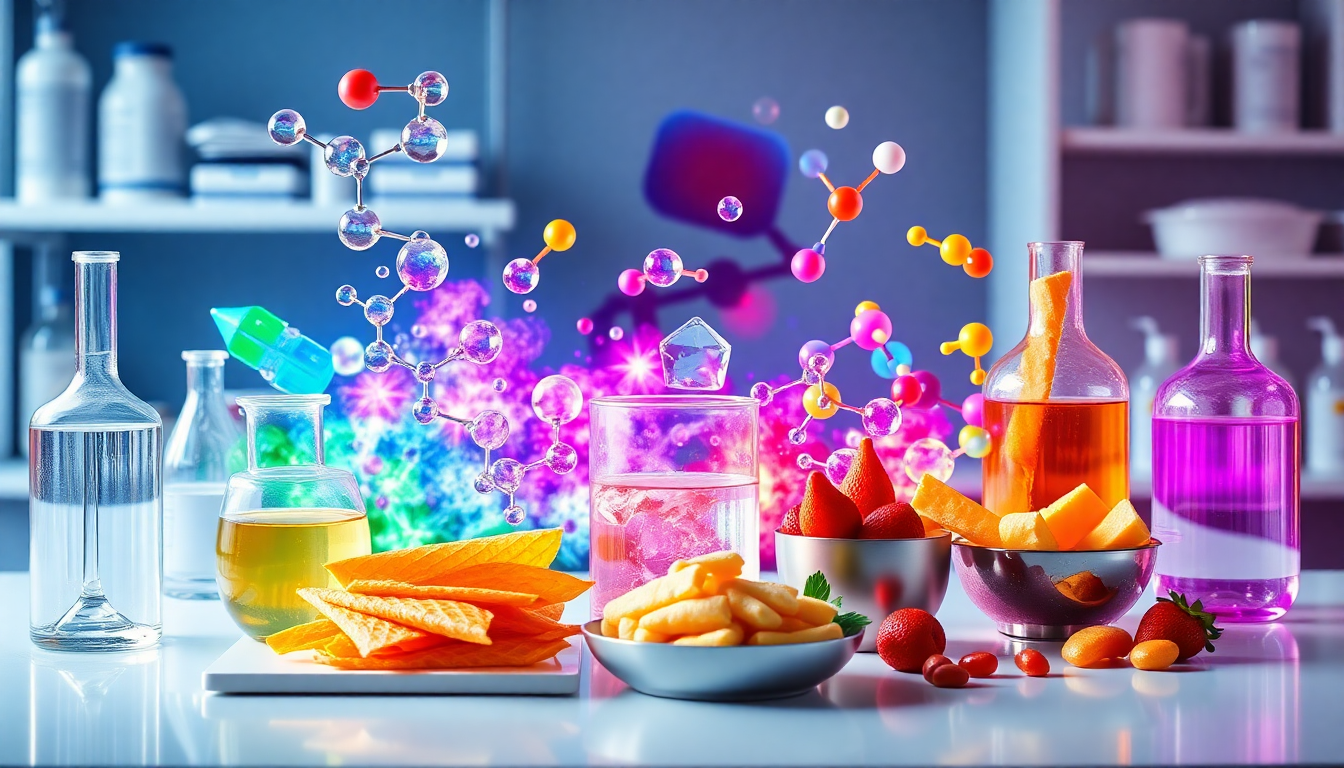
Chemistry studies matter, its properties, and the changes it undergoes, from tiny atoms to complex materials.
2
Atoms and the Periodic Table
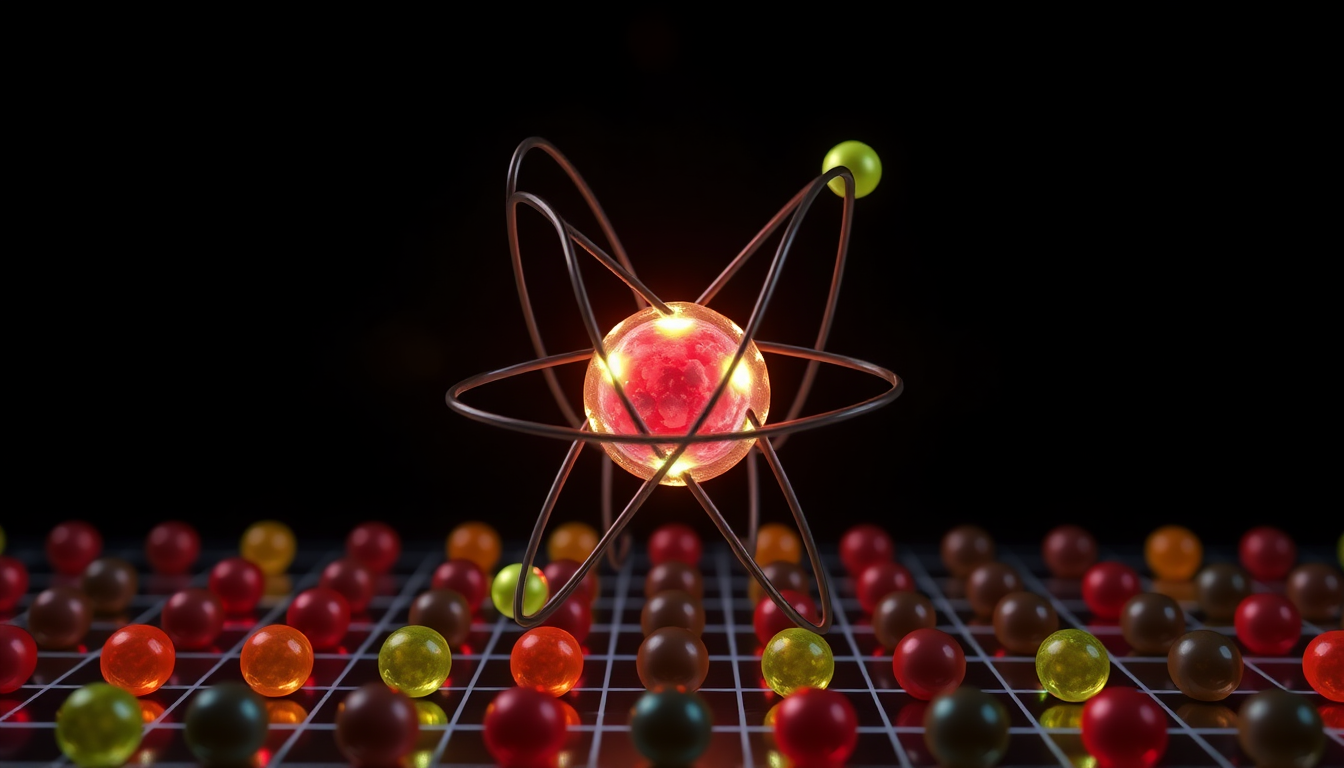
- Atoms contain positively charged protons, neutral neutrons, and negatively charged electrons.
- An element is defined by its proton count; hydrogen has 1 proton, while carbon has 6.
- The periodic table organizes elements by atomic number and recurring chemical properties.
3
How Atoms Form Bonds
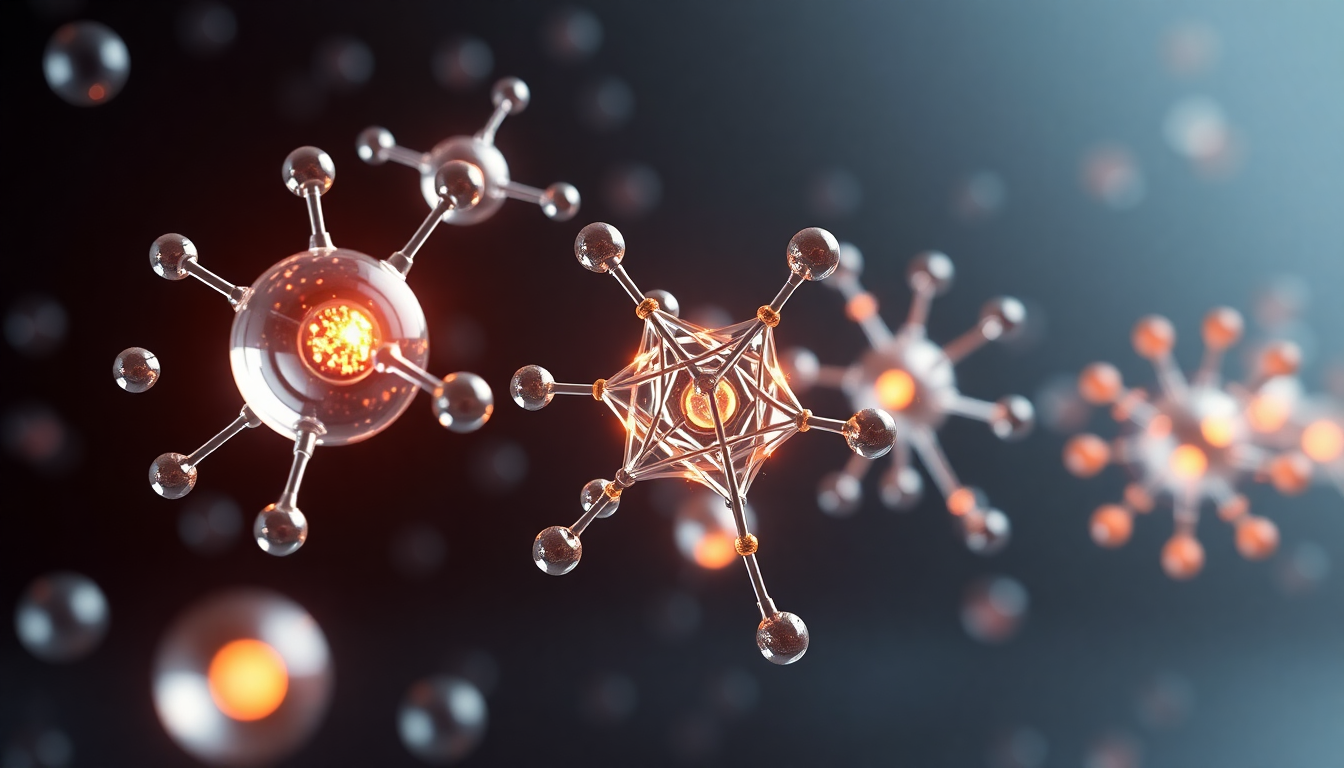
- Ionic bonds form when electrons transfer between atoms, creating oppositely charged ions that attract.
- Covalent bonds share electron pairs; water molecules, for example, contain two O–H covalent bonds.
- Metallic bonding allows electrons to move through a lattice, helping metals conduct heat and electricity.
4
Chemical Reactions and Energy
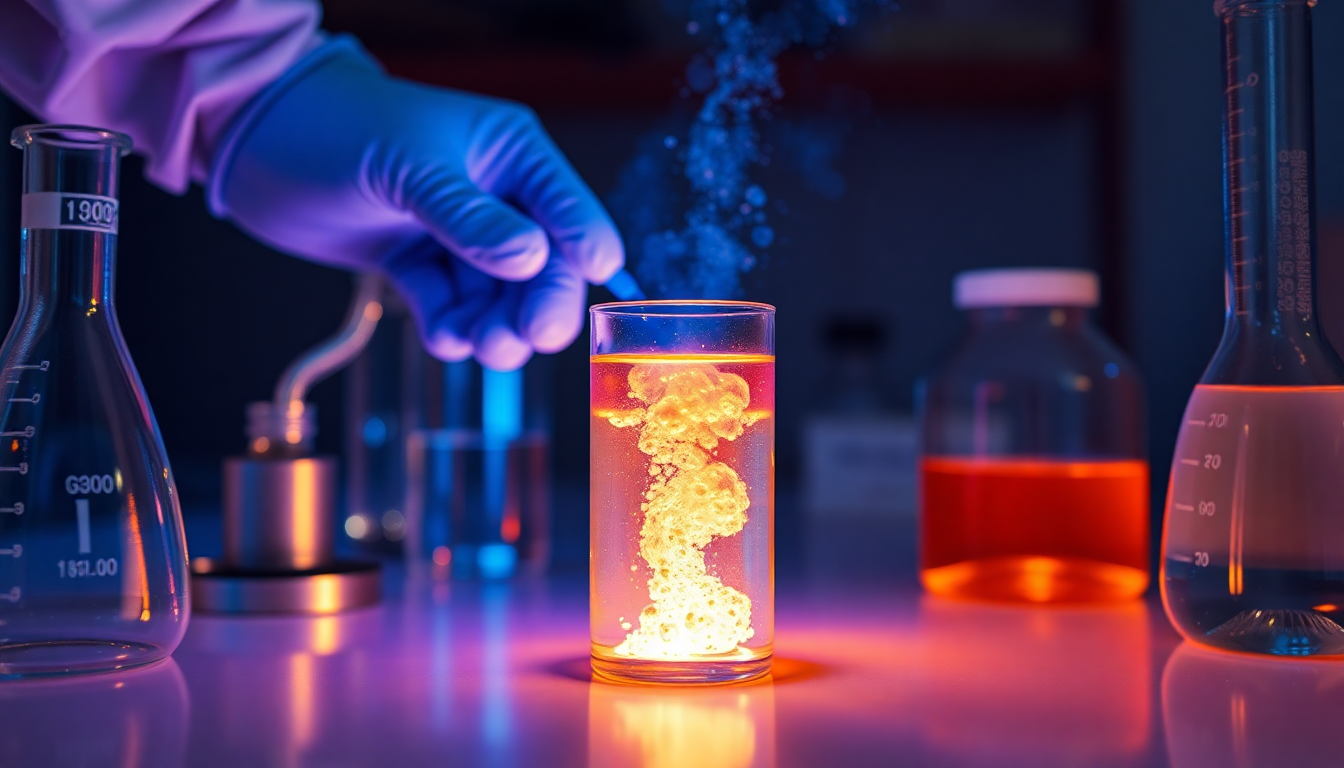
- Reactions rearrange atoms: reactants become products, but the total number of each type of atom is conserved.
- Balanced equations reflect this conservation; in 2H₂ + O₂ → 2H₂O, four hydrogen atoms are preserved.
- Exothermic reactions release energy, while endothermic reactions absorb it from their surroundings.
5
Chemistry in a Sustainable Future
- Chemistry helps develop medicines, clean water systems, fertilizers, and materials for renewable energy.
- Green chemistry aims to reduce hazardous substances, energy use, and waste throughout product design.
- Understanding reactions and materials supports better choices in health, manufacturing, and environmental care.
1 / 5