Cementing Services Additives Chemistry
📑 10 slides
👁 22 views
📅 2/1/2026
Introduction to Cementing Additives
Cementing seals well annuli, supports casing, and prevents fluid migration.
2
Accelerators: Speed Up Setting
- Calcium chloride (CaCl₂) accelerates hydration by providing chloride ions.
- Reduces wait-on-cement time; ideal for low-temperature wells.
- Overuse can cause flash setting, compromising integrity.
3
Retarders: Delay Hydration
- Lignosulfonates adsorb onto cement particles, delaying nucleation.
- Essential for deep, hot wells to prevent premature setting.
- pH-dependent; performance varies with temperature.
4
Fluid Loss Controllers
- Polymers like PVA form filter cakes to reduce water loss.
- Critical in permeable zones to maintain slurry consistency.
- Steric hindrance and hydrogen bonding are key mechanisms.
5
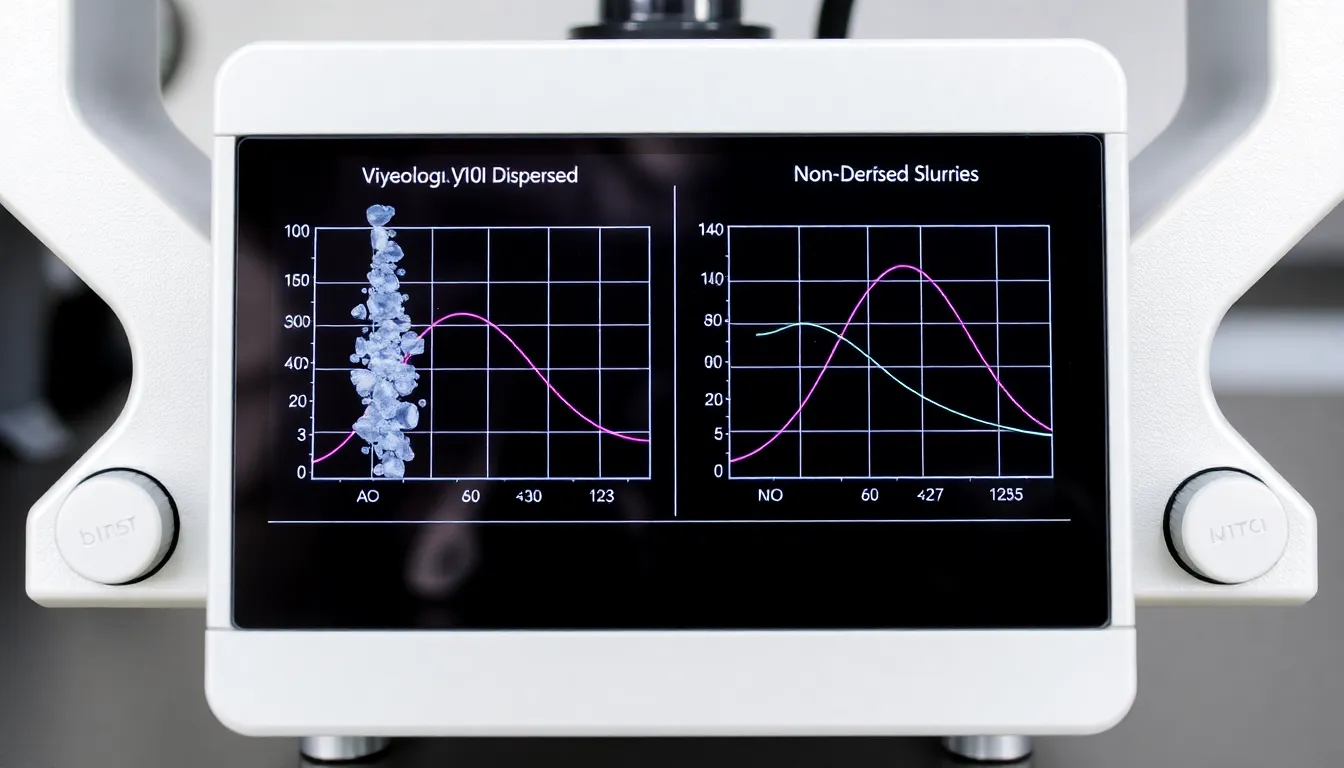
Dispersants: Improve Pumpability
- Sulfonated naphthalene formaldehyde (SNF) reduces viscosity.
- Deflocculates particles via electrostatic repulsion.
- Enhances flow in narrow annuli, reducing friction pressure.
6
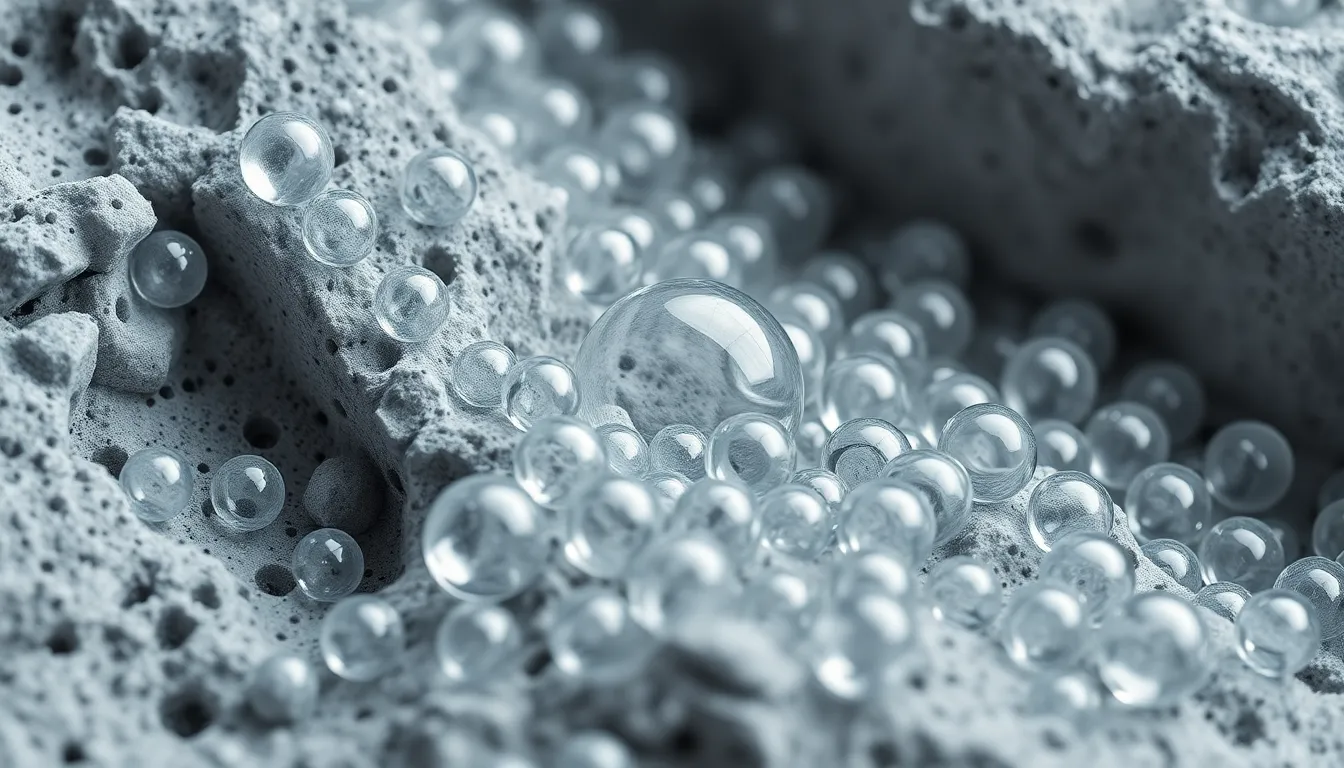
Lightweight Additives
- Bentonite or hollow glass microspheres reduce slurry density.
- Prevents lost circulation in weak formations (<12 lb/gal).
- Microspheres are inert, with densities as low as 0.1 g/cm³.
7
Heavyweight Additives
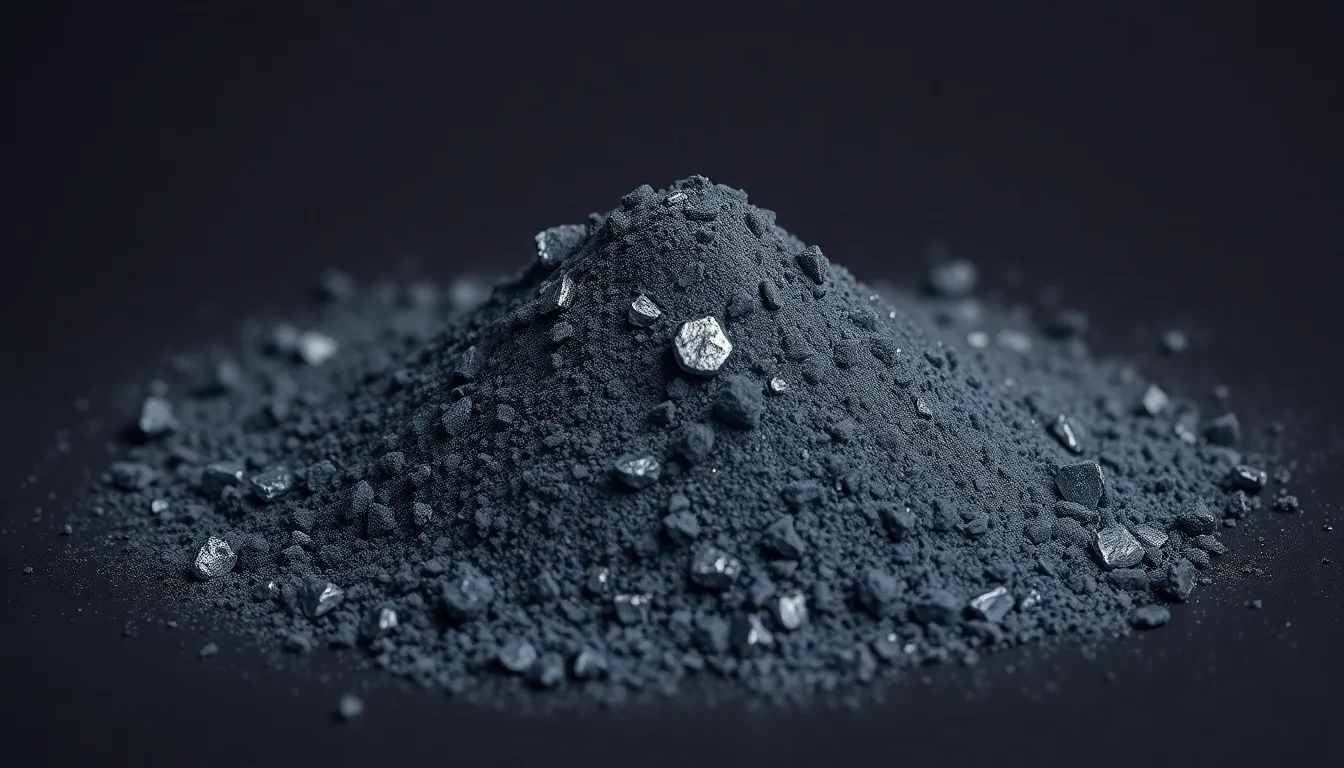
- Hematite (Fe₂O₃) increases density for high-pressure zones.
- Mineral density ranges from 4.5-5.2 g/cm³.
- Used to control gas migration (>18 lb/gal).
8
Gas Block Additives
- Latex polymers form impermeable barriers against gas influx.
- Critical in shallow wells to prevent annular gas flow.
- Reduces permeability during the critical hydration phase.
9
Extenders: Increase Slurry Volume
- Bentonite hydrates to expand volume, diluting cement.
- Cost-effective for long columns or low-cost jobs.
- Extends yield by 50-100% without losing strength.
10
Conclusion & Key Takeaways
- Additives tailor slurries for well conditions, ensuring integrity.
- Chemistry drives performance; selection prevents failures.
- Future trends include eco-friendly additives and nanotechnology.
1 / 10