Physical Security Risk Management at a Gold Mine

📑 10 slides 👁 47 views 📅 1/21/2026
0.0 (0 ratings)

Introduction to Physical Security Risks

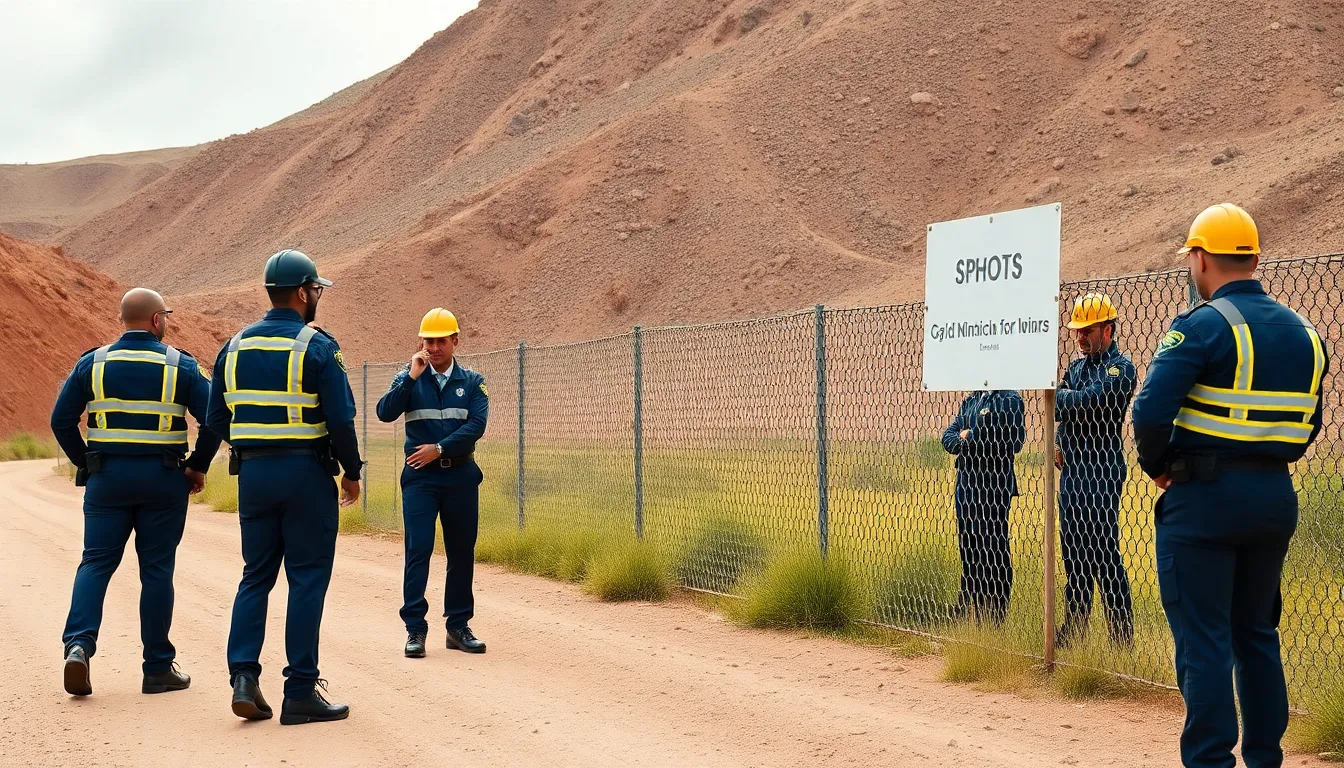
Gold mines face unique security challenges due to high-value assets.

Introduction to Physical Security Risks
2

Key Security Threats in Gold Mines

  • Internal theft by employees accounts for 30% of mine losses.
  • Organized crime targets gold shipments and storage facilities.
  • Cyber-physical attacks disrupt operations and safety systems.
Key Security Threats in Gold Mines
3

Risk Assessment Methodology

  • Conduct threat analysis to identify vulnerabilities in mine operations.
  • Use risk matrices to prioritize high-impact, high-likelihood threats.
  • Engage cross-functional teams for comprehensive risk evaluation.
Risk Assessment Methodology
4

Access Control Systems

  • Biometric scanners reduce unauthorized entry by 75% in mines.
  • Zoned access restricts movement to sensitive areas like vaults.
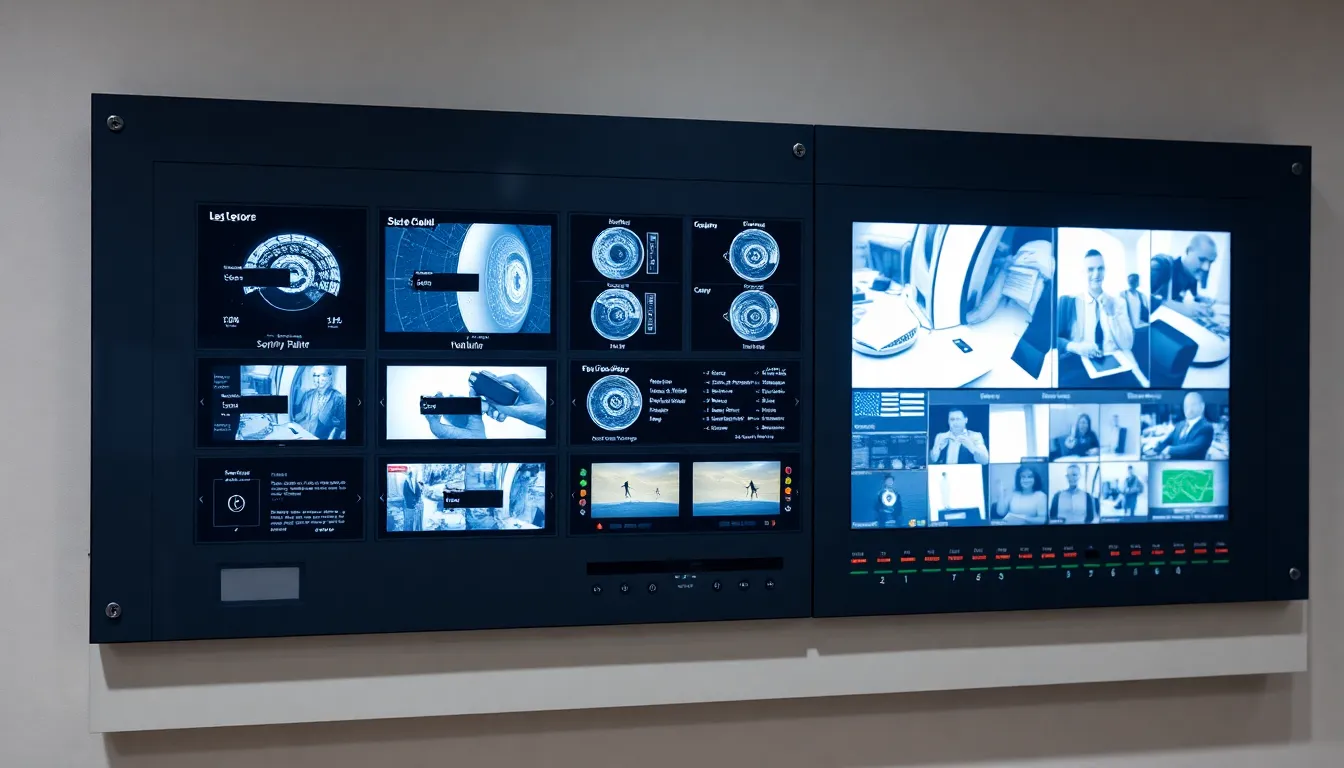
  • Real-time monitoring tracks personnel and vehicle movements.
Access Control Systems
5

Surveillance and Monitoring

  • 360-degree cameras cover blind spots in extraction and processing areas.
  • Drones provide aerial surveillance for large or remote mine sites.
  • AI-powered analytics detect suspicious behavior in real-time.
Surveillance and Monitoring
6

Transportation Security

  • Armored vehicles with GPS tracking secure gold shipments.
  • Convoy protocols minimize hijacking risks during transit.
  • Diversion tactics protect routes and schedules from predictability.
Transportation Security
7

Employee Screening and Training

  • Rigorous background checks reduce insider threat risks.
  • Security awareness programs improve staff vigilance and reporting.
  • Regular drills prepare teams for theft or emergency scenarios.
Employee Screening and Training
8

Technology Integration

  • Blockchain ensures tamper-proof records of gold movements.
  • IoT sensors monitor equipment and environmental conditions.
  • Integration with law enforcement databases enhances threat detection.
Technology Integration
9

Incident Response Planning

  • Establish clear protocols for theft, sabotage, or natural disasters.
  • Coordination with local authorities speeds up emergency responses.
  • Post-incident reviews improve future security measures.
Incident Response Planning
10

Conclusion and Next Steps

  • Implement layered security strategies for comprehensive protection.
  • Regular audits and updates keep security measures effective.
  • Executive leadership is critical for funding and prioritizing security.
Conclusion and Next Steps
1 / 10