Blockchain Technology

📑 5 slides 👁 9 views 📅 1/19/2026

Introduction to Blockchain

Blockchain is a decentralized digital ledger recording transactions across many computers.

Introduction to Blockchain
2

How Blockchain Works

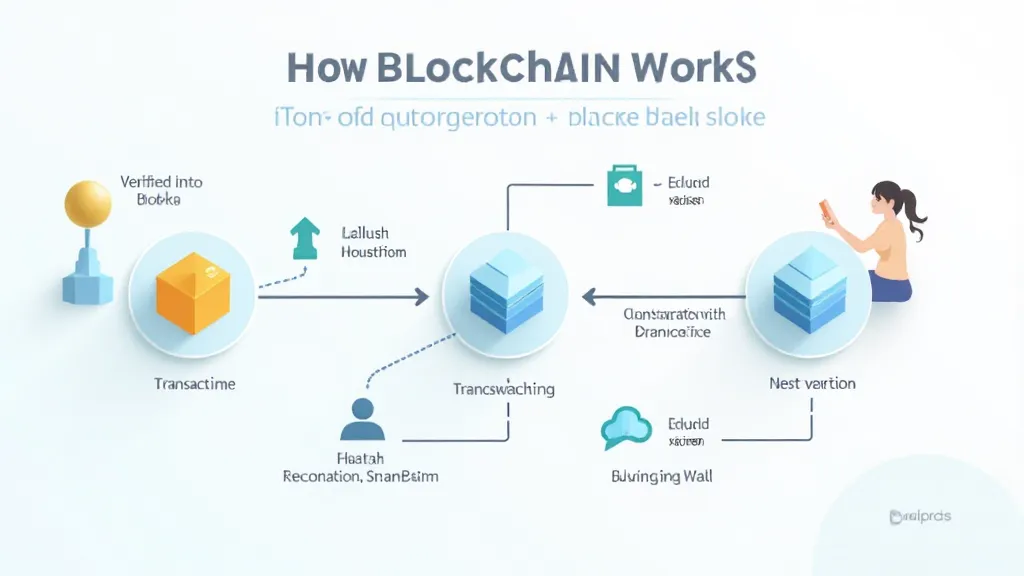
  • Transactions are grouped into blocks and verified by network nodes through consensus algorithms.
  • Once verified, blocks are added to the chain in a linear, chronological order, ensuring immutability.
  • Public blockchains are transparent, while private blockchains restrict access to authorized participants.
How Blockchain Works
3

Applications of Blockchain

  • Cryptocurrencies like Bitcoin and Ethereum use blockchain for secure, peer-to-peer transactions.
  • Smart contracts automate agreements without intermediaries, used in finance and supply chains.
  • Blockchain enhances data security in healthcare, voting systems, and intellectual property management.
Applications of Blockchain
4

Benefits & Challenges

  • Benefits: Decentralization reduces fraud, increases transparency, and lowers transaction costs.
  • Challenges: Scalability issues, high energy consumption (e.g., Bitcoin mining), and regulatory uncertainty.
  • Future solutions include layer-2 scaling (e.g., Lightning Network) and eco-friendly consensus mechanisms.
Benefits & Challenges
5

Conclusion & Future Outlook

  • Blockchain is transforming industries by enabling trustless, secure, and efficient systems.
  • Adoption is growing in finance, logistics, and governance, with potential for Web3 and metaverse integration.
  • Ongoing innovations aim to address current limitations, making blockchain a cornerstone of future technology.
Conclusion & Future Outlook
1 / 5