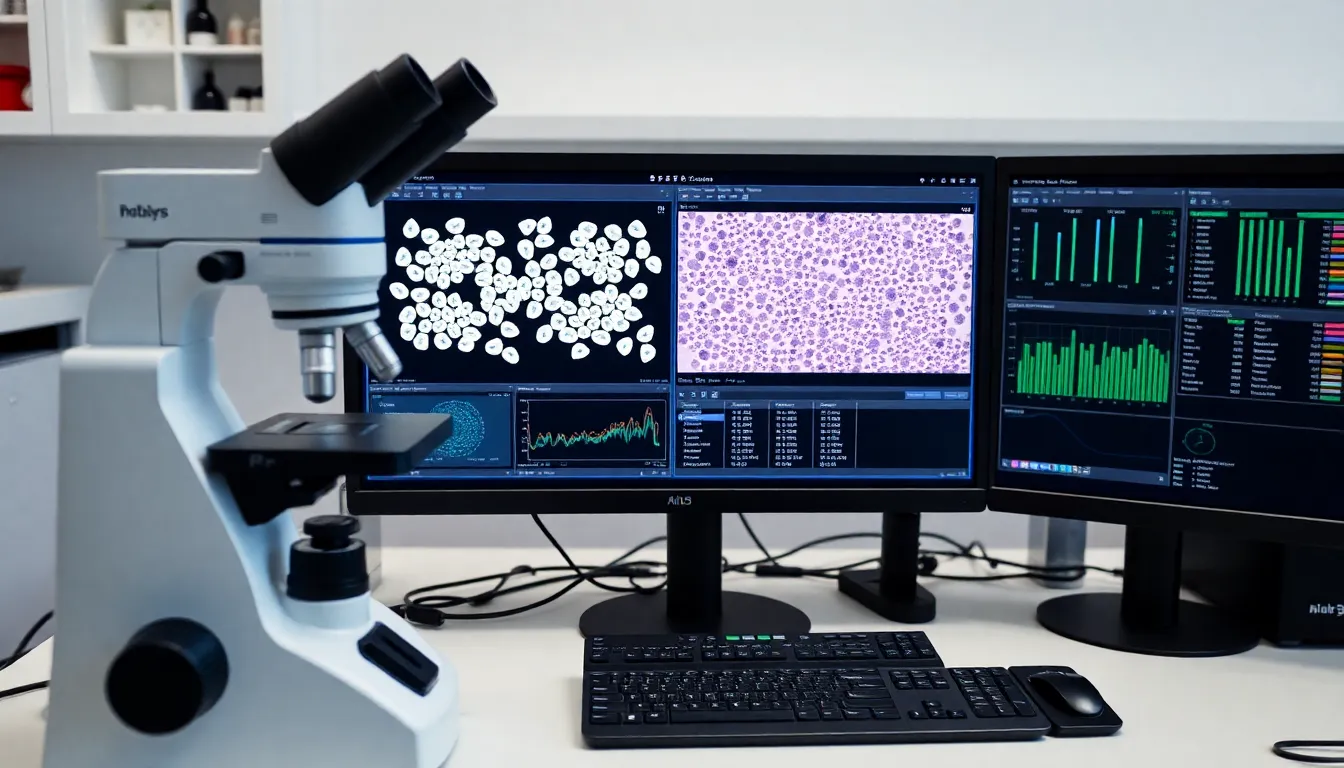
Flow-Cytometric Work-Up in Chronic Lymphoproliferative Disorders

๐Ÿ“‘ 10 slides ๐Ÿ‘ 58 views ๐Ÿ“… 1/23/2026
0.0 (0 ratings)

Introduction to CLPDs

Chronic Lymphoproliferative Disorders (CLPDs) are clonal lymphoid proliferations with indolent behavior.

Introduction to CLPDs
2

Indications for Flow Cytometry

  • Persistent lymphocytosis (>5,000/ยตL) lasting >3 months.
  • Atypical lymphoid cells in peripheral blood or bone marrow.
  • Essential for staging and minimal residual disease assessment.
Indications for Flow Cytometry
3

Specimen Handling

  • Optimal specimens: peripheral blood (EDTA), bone marrow, or tissue suspensions.
  • Anticoagulants affect viability; process within 24-48 hours.
  • Cell viability >70% required for reliable results.
Specimen Handling
4

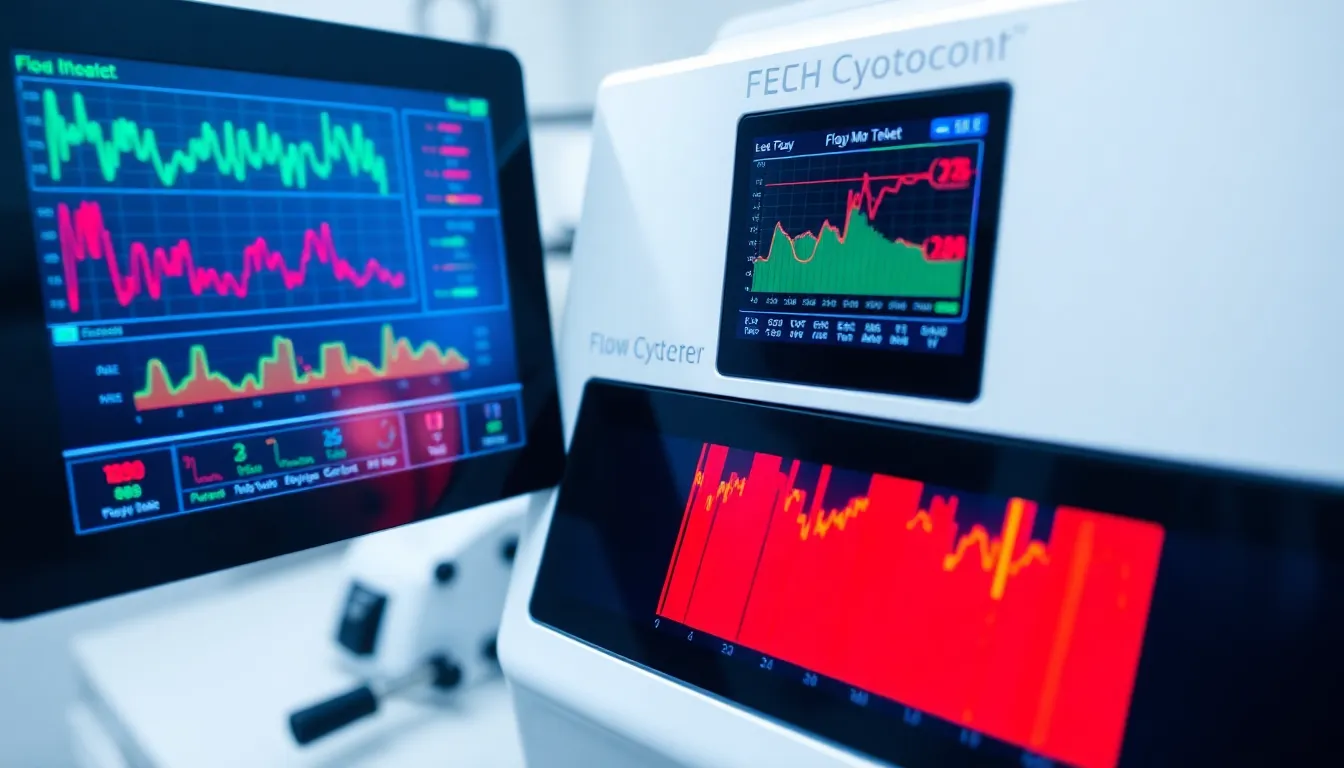
Flow Cytometry Principles

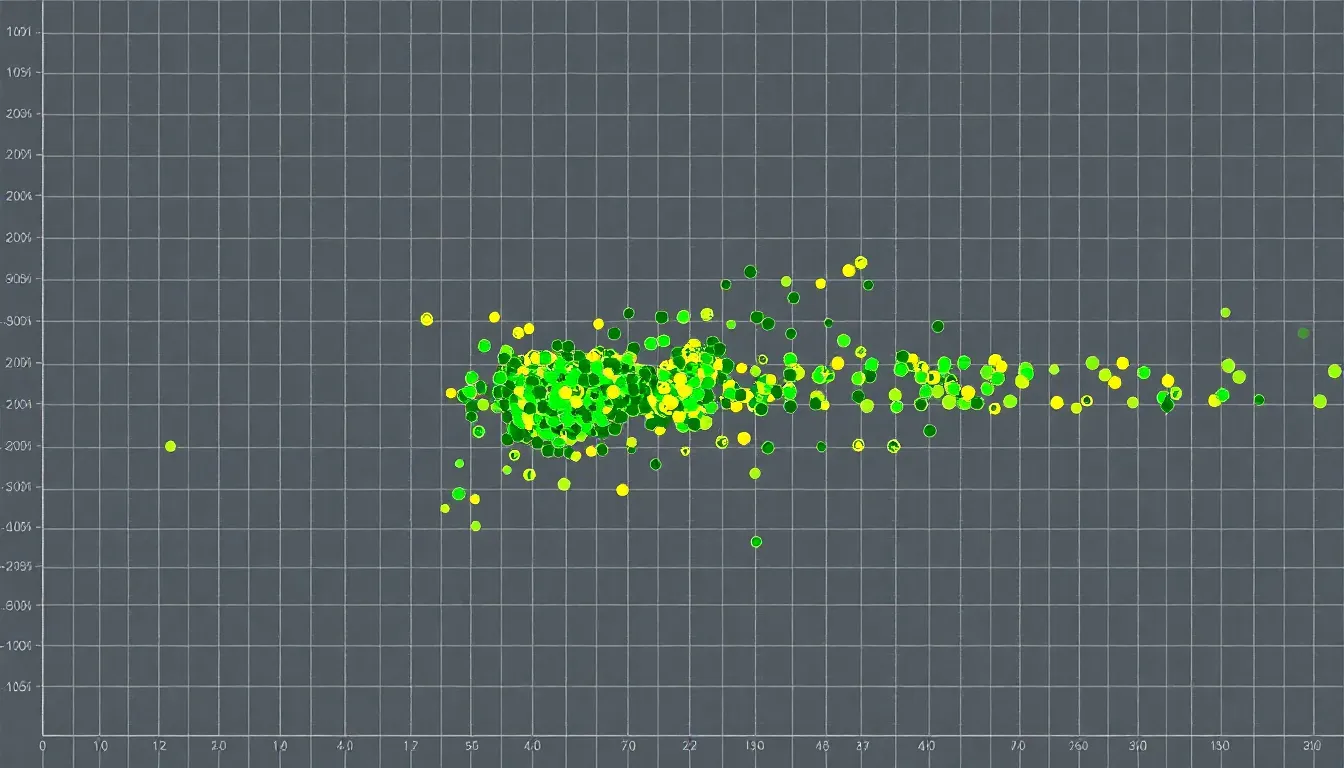
  • CD45/SSC gating strategy to identify lymphoid populations.
  • Light scatter distinguishes small vs. large lymphoid cells.
  • Internal controls (normal B/T cells) validate antibody performance.
Flow Cytometry Principles
5

Core Antibody Panel

  • B-cell: CD19, CD20, CD22, CD79b, ฮบ/ฮป light chains.
  • T-cell: CD3, CD5, CD7, CD2, CD4/CD8 ratio.
  • NK-cell: CD16, CD56, CD57.
Core Antibody Panel
6

B-Cell CLPD Signatures

  • CLL: CD5+, CD23+, CD200+, CD43+, weak surface Ig.
  • MCL: CD5+, CD23-, FMC7+, Cyclin D1+ (by IHC).
  • HCL: CD11c+, CD25+, CD103+, CD123+.
B-Cell CLPD Signatures
7

T/NK-Cell CLPDs

  • T-LGL leukemia: CD3+, CD8+, CD57+, TCRฮฑฮฒ+.
  • Sรฉzary syndrome: CD4+, CD7-, CD26- circulating cells.
  • NK-LGL leukemia: CD3-, CD56+, CD16+, cytotoxic markers+.
T/NK-Cell CLPDs
8

Diagnostic Pitfalls

  • Reactive lymphocytosis may mimic CLPD immunophenotype.
  • Antigen modulation after therapy causes false negatives.
  • Always correlate with morphology and clinical history.
Diagnostic Pitfalls
9

Multimodal Integration

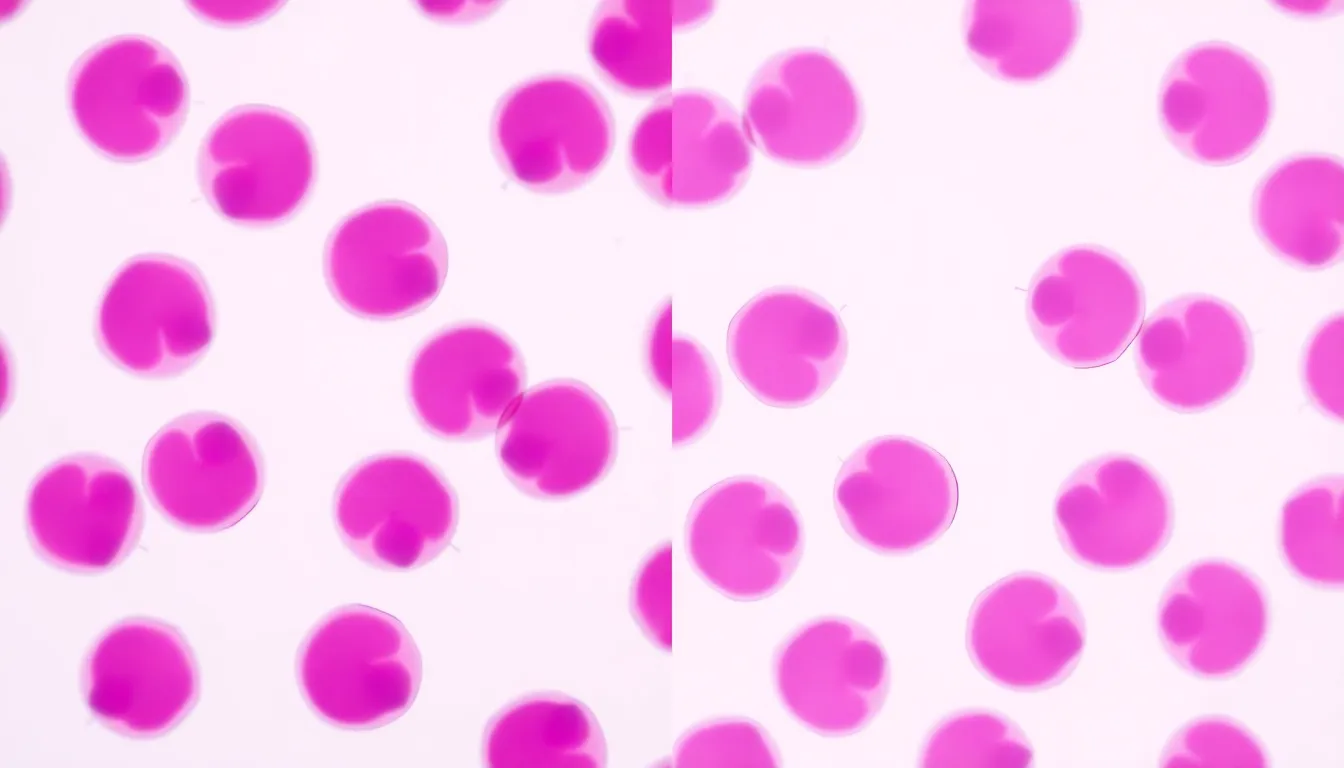
  • Morphology confirms atypical cells seen by flow.
  • Cytogenetics (e.g., t(11;14) in MCL) adds specificity.
  • Molecular studies (IGH rearrangement) confirm clonality.
Multimodal Integration
10

Key Takeaways

  • Flow cytometry is the cornerstone of CLPD diagnosis.
  • Standardized panels reduce diagnostic errors.
  • WHO classification integrates flow with other modalities.
Key Takeaways
1 / 10