Are dishwashers harmful to the human body?

📑 5 slides 👁 23 views 📅 2/7/2026
2.0 (1 ratings)

Introduction to Dishwashers & Health

Dishwashers are common appliances, but their health effects are debated.

Introduction to Dishwashers & Health
2

Chemical Residues from Detergents

  • Dishwasher detergents may leave harmful residues on dishes.
  • Some contain phosphates, chlorine, and fragrances linked to allergies.
  • Rinse aids can leave surfactants that disrupt gut microbiome.
  • Studies show residues decrease with thorough rinsing cycles.
Chemical Residues from Detergents
3

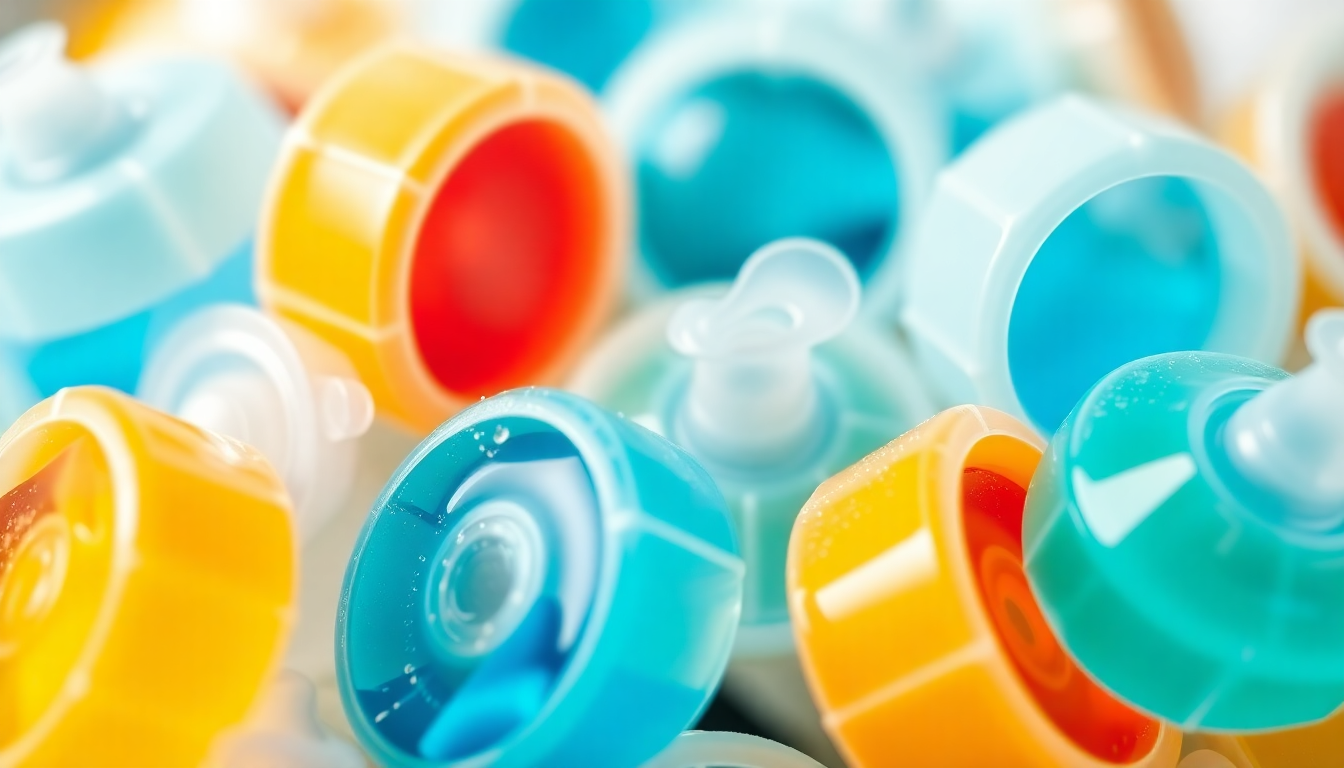
Microplastics & Dishwasher Wear

  • Dishwashers release microplastics from plastic utensils and containers.
  • A study found up to 200,000 microplastic particles per wash cycle.
  • These particles may enter food and accumulate in human organs.
  • Glass and stainless steel alternatives reduce this risk.
Microplastics & Dishwasher Wear
4

High Heat & Bacterial Concerns

  • Dishwashers use high heat (60-70°C) to kill bacteria effectively.
  • Low-temperature cycles may leave harmful bacteria like E. coli.
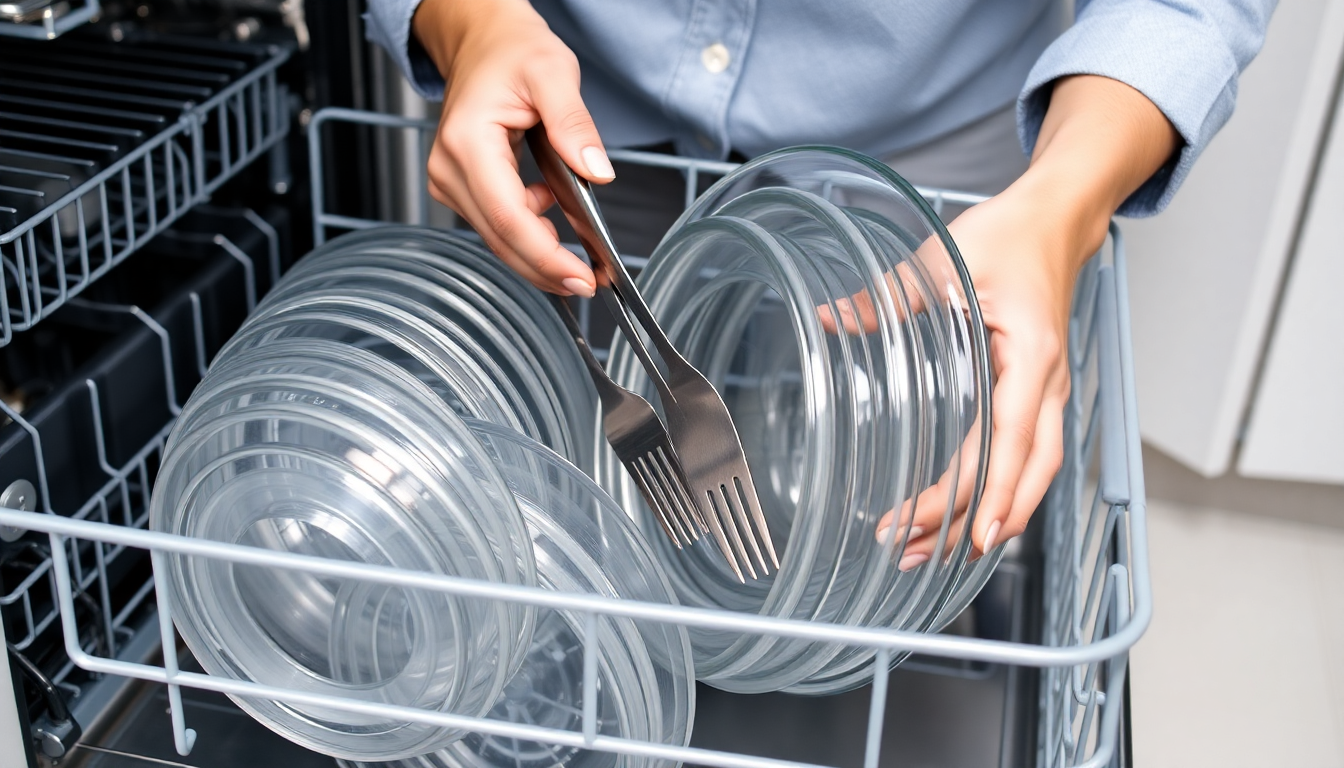
  • Proper loading ensures all items receive adequate heat exposure.
  • Regular maintenance prevents mold growth in rubber seals.
High Heat & Bacterial Concerns
5

Conclusion: Safe Use Recommendations

  • Use eco-friendly detergents and skip fragrances to reduce residues.
  • Avoid plastic items; opt for glass, ceramic, or stainless steel.
  • Run hot cycles (≥60°C) and maintain your dishwasher regularly.
  • Overall, risks are manageable with proper practices.
Conclusion: Safe Use Recommendations
1 / 5