Liver Cancer Detection Using Image Processing
📑 5 slides
👁 6 views
📅 3/1/2026
📄 PDF
Introduction to Liver Cancer Detection
Liver cancer survival rate in India is only 5%, highlighting the need for early detection.
2
Image Processing Techniques
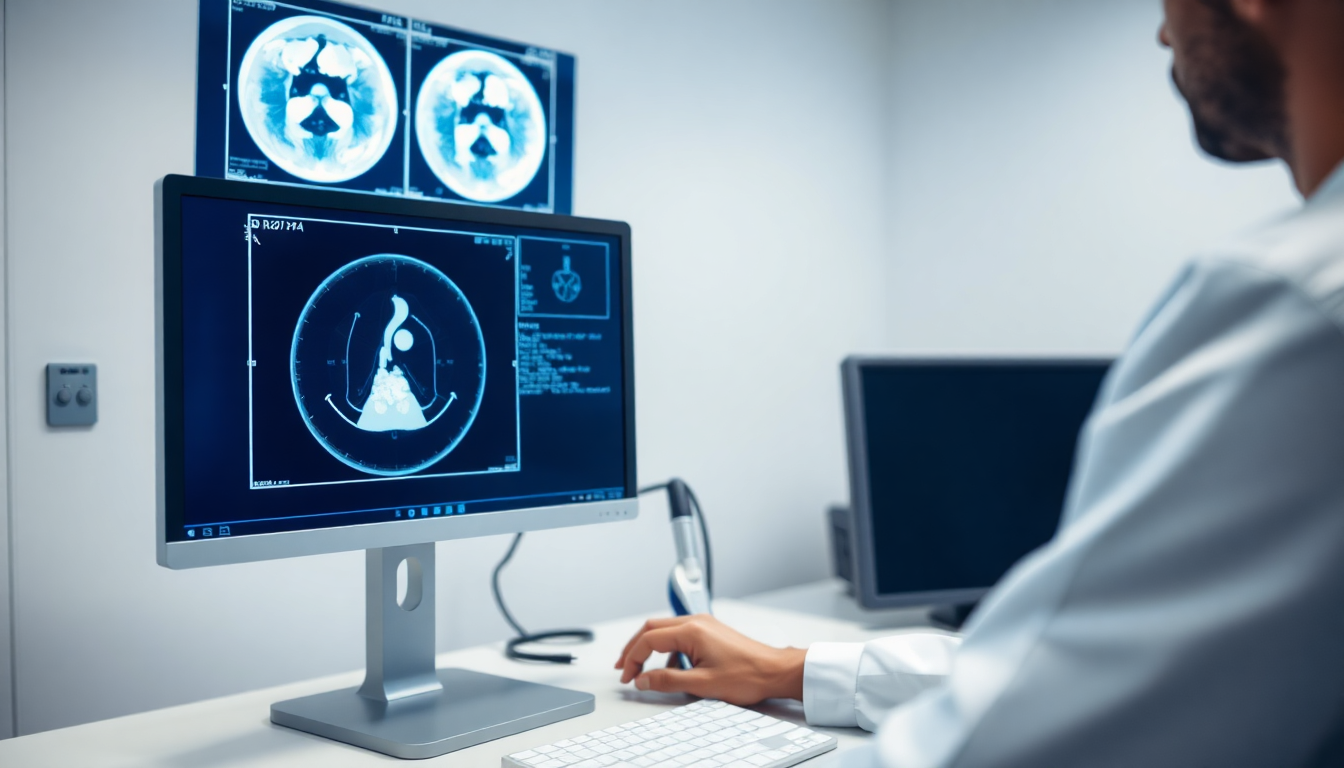
- Preprocessing involves noise reduction using median and anisotropic diffusion filtering.
- Histogram enhancement improves image contrast for better analysis.
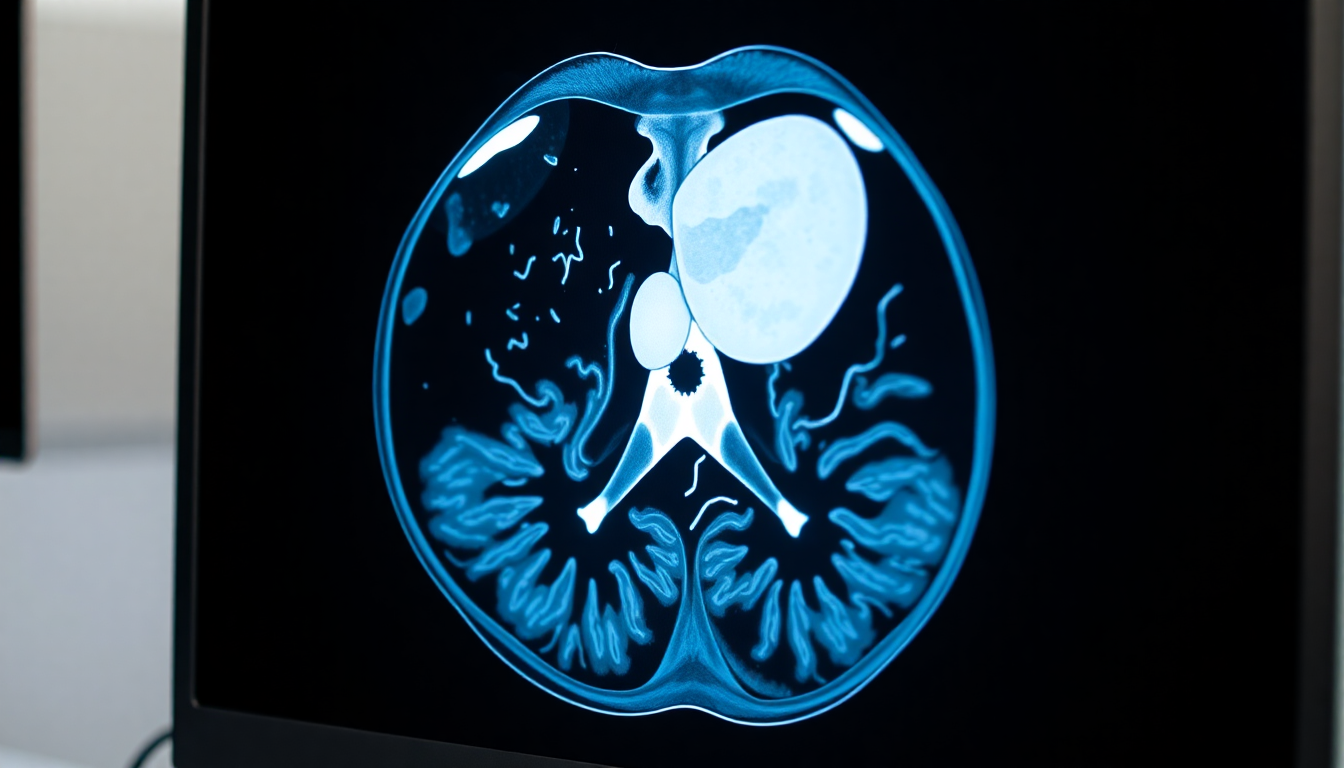
- Segmentation uses fuzzy centroid-based region-growing model for tumor detection.
- Adaptive thresholding helps in partitioning the liver accurately.
3
Literature Review Highlights
- Multiresolution Fractal (MF) feature achieves 90% accuracy in liver disease identification.
- Functional Link Neural Network shows high diagnostic rates for liver diseases.
- Fuzzy descriptors and rules improve liver region identification in CT scans.
- Wavelet transform features offer 90% classification accuracy for liver tissue.
4
Prior Work and Innovations
- Connected compounds numbering algorithm (CCL) automates liver area extraction.
- Neuro-fuzzy systems combine fuzzy logic and neural networks for tumor detection.
- Watershed and Ostu's methods enhance MRI images for cancer cell separation.
- SVM classifier improves tumor segmentation accuracy in CT scans.
5
Conclusion and Future Directions
- Proposed method effectively segments tumors with radiologist-validated results.
- Future work includes expanding feature vectors for other liver disease classifications.
- Technique enhances, segments, and extracts liver areas with high accuracy.
- Potential to improve diagnostic training for new medical professionals.
1 / 5