The Art and Science of Surfing

๐Ÿ“‘ 5 slides ๐Ÿ‘ 40 views ๐Ÿ“… 3/10/2026
0.0 (0 ratings)

Introduction to Surfing

Surfing is a water sport where riders stand on a board, riding ocean waves.

Introduction to Surfing
2

Essential Surfing Equipment

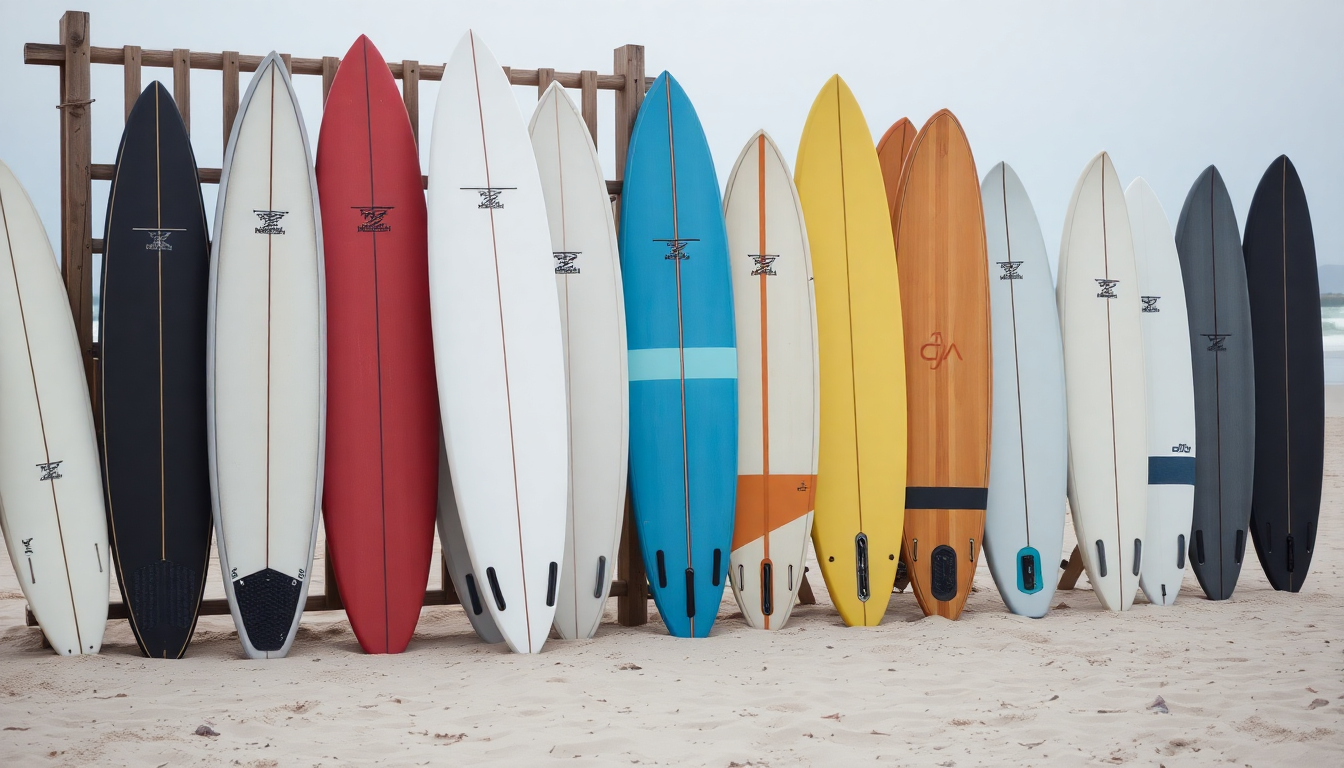
  • Surfboards vary by type: longboards (8-12ft), shortboards (5-7ft), and foam boards for beginners.
  • Wetsuits protect surfers in cold water, ranging from 2mm to 6mm thickness.
  • Leashes connect surfers to boards, preventing loss in strong waves.
  • Wax provides grip on the board's surface, applied in specific patterns.
Essential Surfing Equipment
3

Wave Science & Surfing Conditions

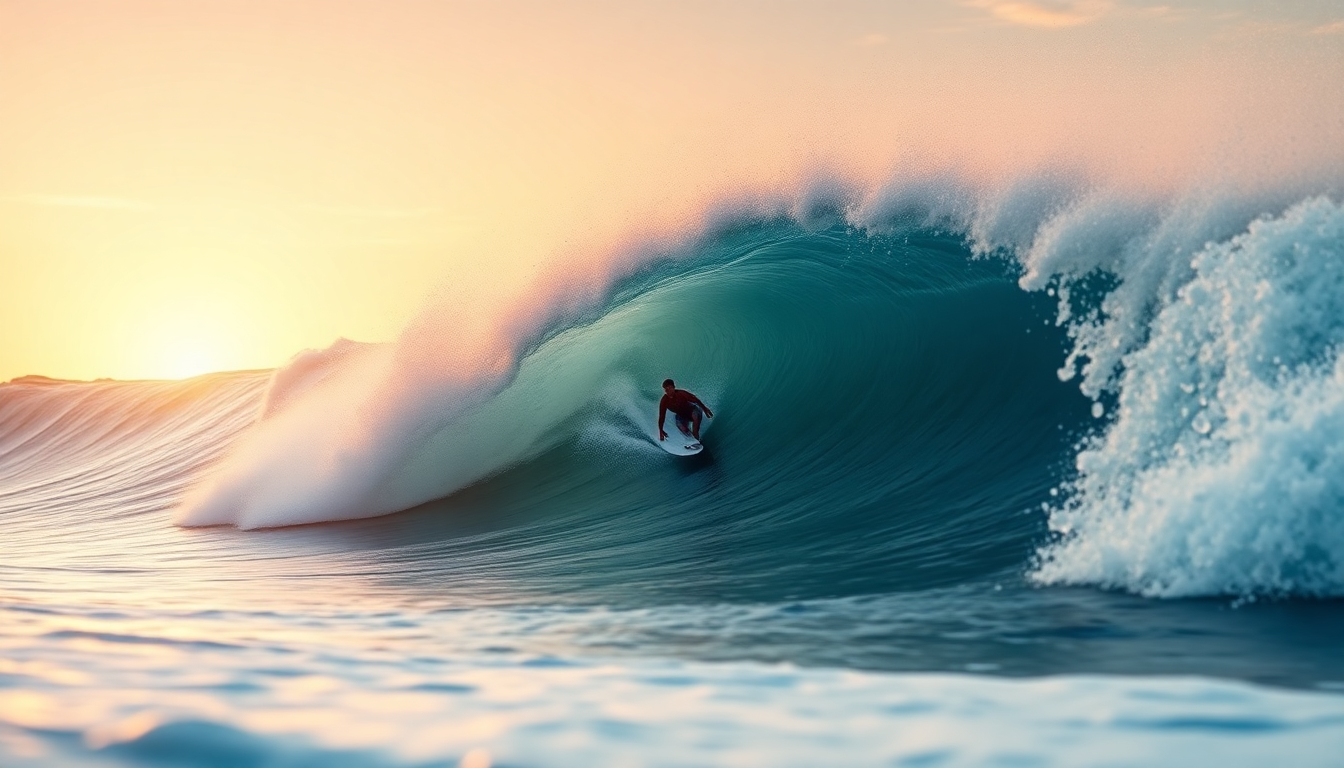
  • Waves form from wind energy transferring to water over distance (fetch).
  • Ideal waves have a smooth face, steep enough to ride but not breaking too fast.
  • Surfers monitor swell direction, tide charts, and wind conditions for optimal sessions.
  • Famous big wave spots like Nazarรฉ Portugal produce waves over 80 feet tall.
Wave Science & Surfing Conditions
4

Surfing Techniques & Safety

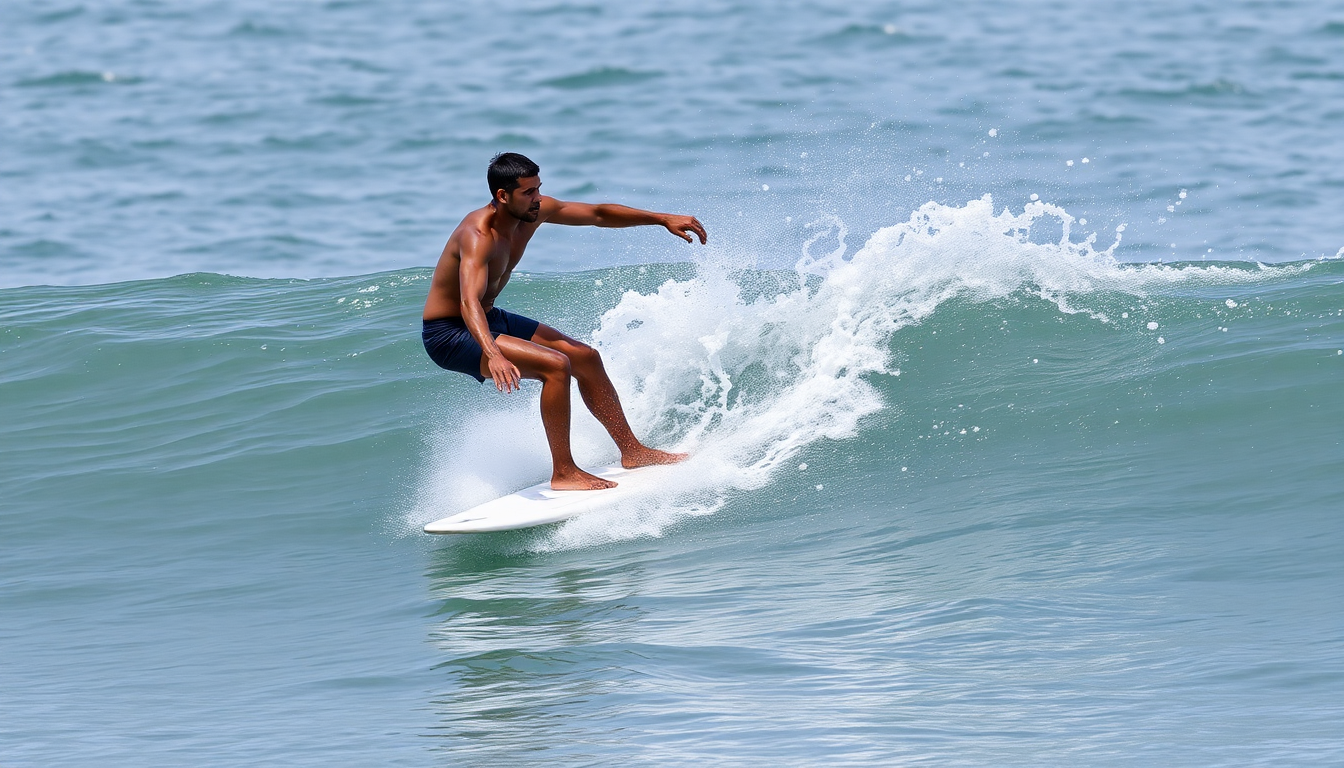
  • The pop-up is the fundamental move transitioning from lying to standing on the board.
  • Bottom turns and cutbacks are essential maneuvers for wave control.
  • Surfers should always check for rips currents and other hazards before entering.
  • The rule of thirds: never take more than every third wave in crowded lineups.
Surfing Techniques & Safety
5

Surfing Culture & Future

  • Surfing became an Olympic sport in 2020 at the Tokyo Games.
  • Eco-friendly boards now use sustainable materials like bamboo and algae foam.
  • Artificial wave pools are revolutionizing inland surfing opportunities.
  • The sport continues growing globally while facing ocean conservation challenges.
Surfing Culture & Future
1 / 5