Recent Advances in Bioethanol from Agricultural Waste

📑 10 slides 👁 34 views 📅 1/29/2026 📄 PDF
0.0 (0 ratings)

Introduction to Bioethanol

Global shift to renewable energy due to fossil fuel depletion and emissions (Perdana, 2024).

Introduction to Bioethanol
2

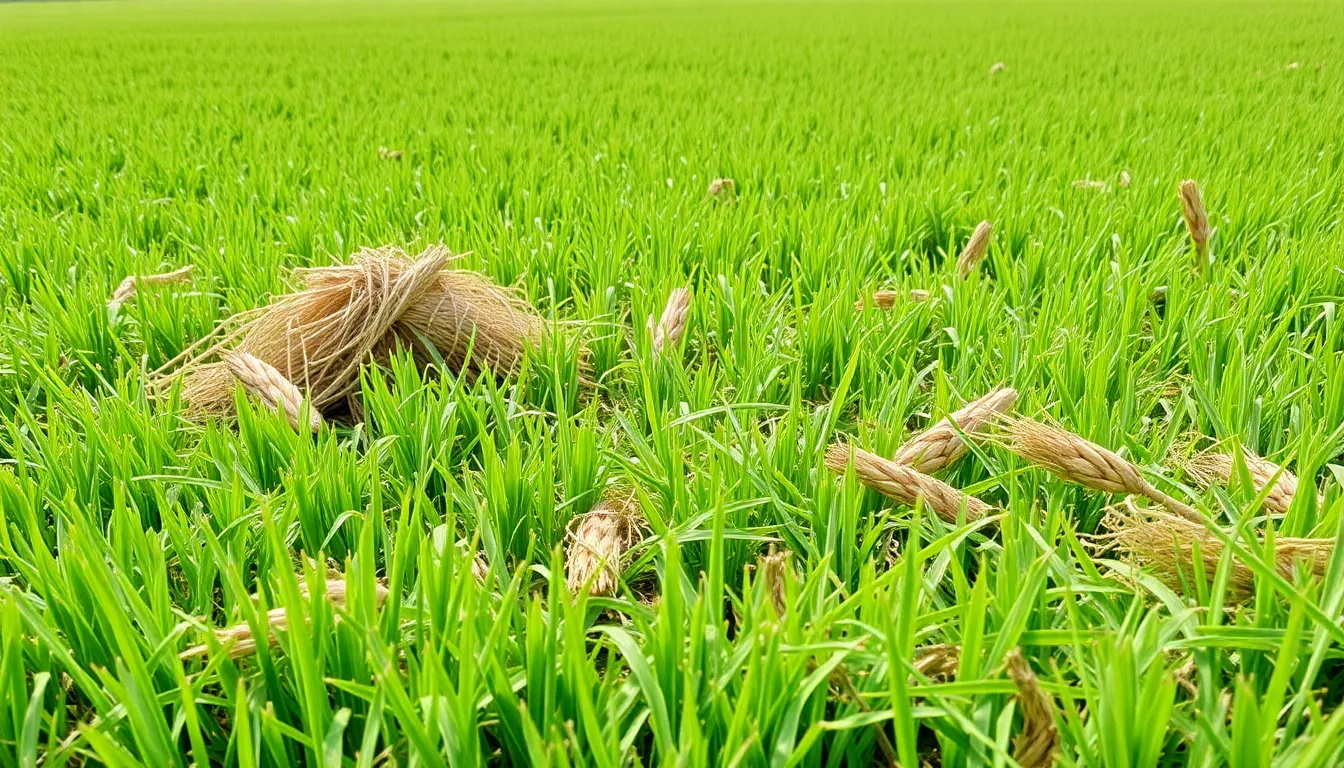
Feedstock Potential: Rice Straw

  • High carbohydrate content: 30-50% cellulose, 30-40% hemicellulose (Yusron et al., 2024).
  • Yields 34.4% ethanol after hydrolysis and fermentation (Yusron et al., 2024).
  • Ideal substrate due to abundant availability in agrarian economies.
Feedstock Potential: Rice Straw
3

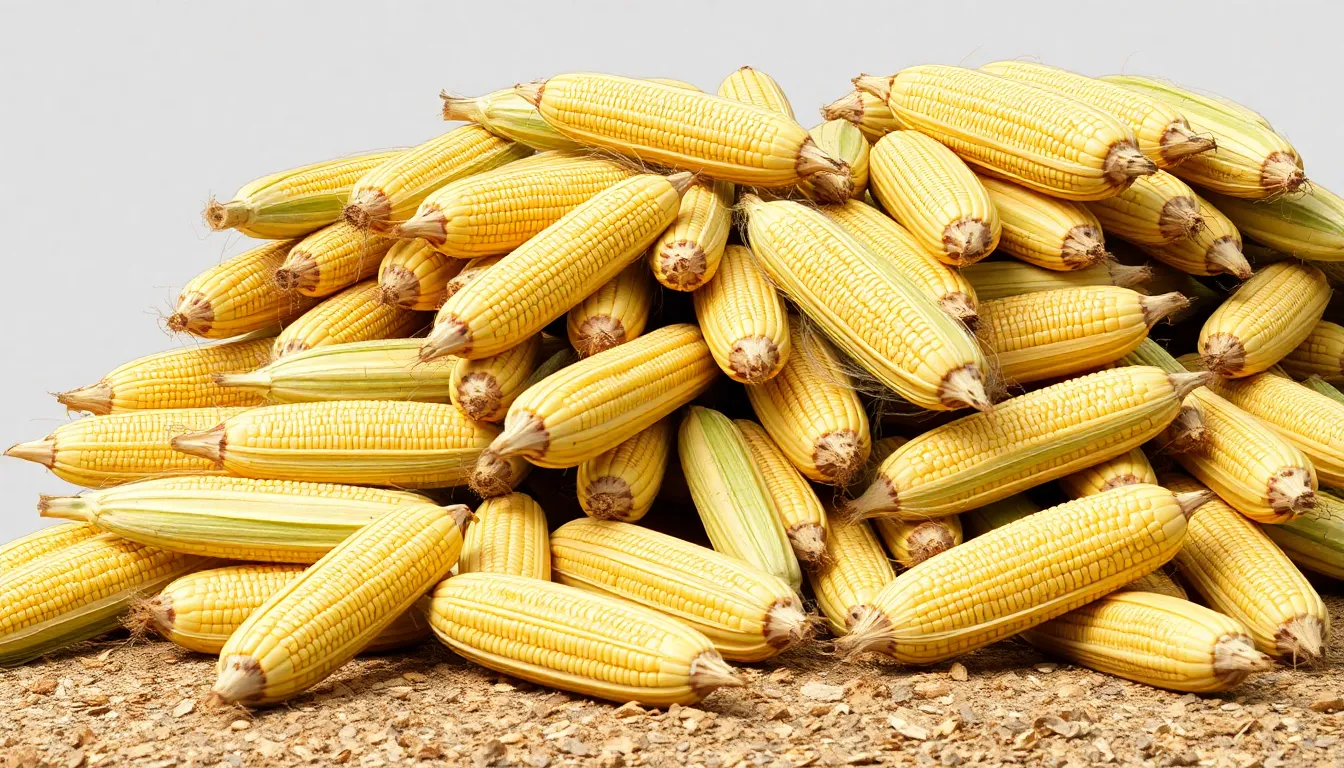
Feedstock Potential: Maize Cobs

  • Discarded post-harvest but rich in fermentable sugars (Atiku et al., 2024).
  • Native microbial isolates optimize fermentation, yielding 52.45 g/L ethanol.
  • SSF method reduces processing time and enzyme inhibition.
Feedstock Potential: Maize Cobs
4

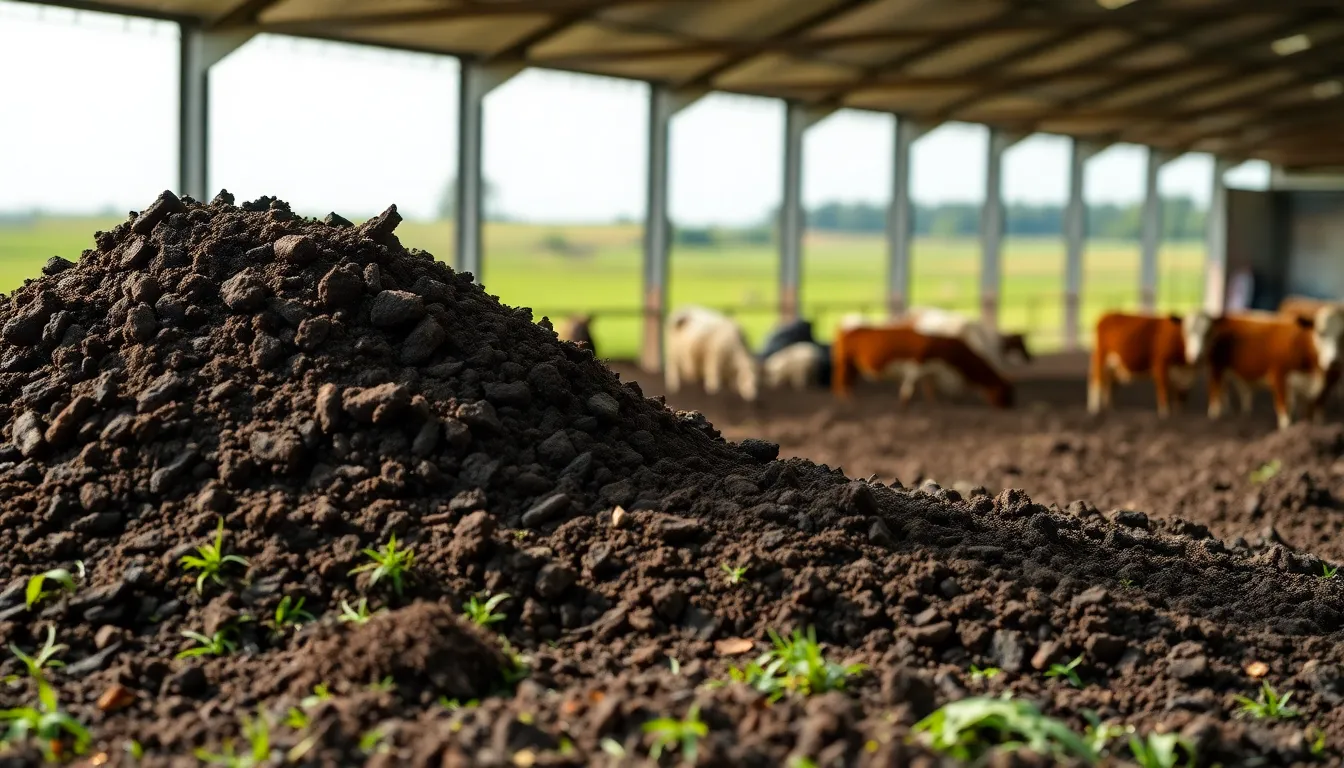
Feedstock Potential: Cow Manure

  • Partially broken down fibers from bovine digestion (Yan et al., 2018).
  • Yields 25.65 g/L ethanol after NaOH pretreatment (Yan et al., 2018).
  • Dual benefit: waste management and energy production.
Feedstock Potential: Cow Manure
5

Pretreatment Technologies

  • Alkaline (NaOH) pretreatment breaks lignin-hemicellulose bonds (Yan et al., 2018).
  • Sulfuric acid or CaO improves digestibility of wheat/rice straws.
  • Essential to overcome lignin's natural resistance.
Pretreatment Technologies
6

Hydrolysis & Fermentation

  • SSF method reduces enzyme inhibition and processing time (Atiku et al., 2024).
  • Pichia kudriavzevii outperforms S. cerevisiae in handling inhibitors.
  • 9-day fermentation optimal for rice straw (Yusron et al., 2024).
Hydrolysis & Fermentation
7

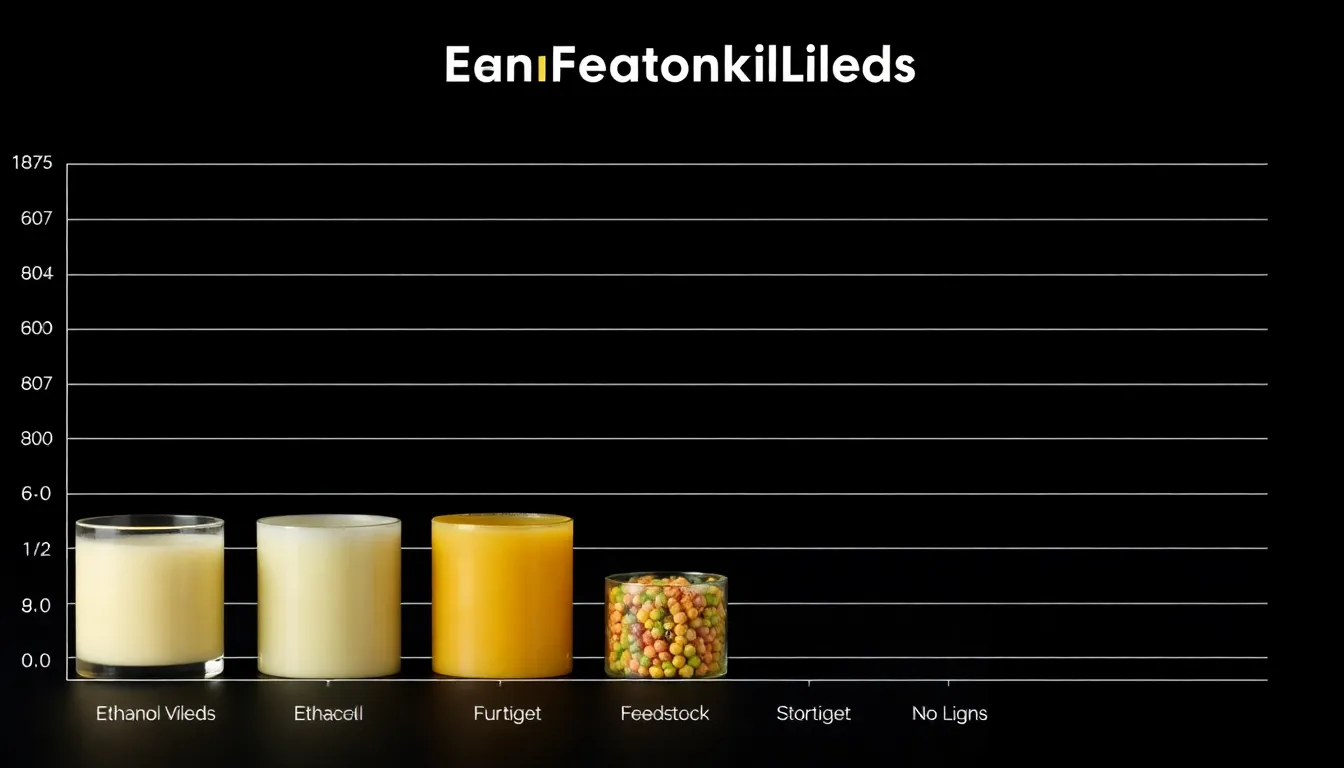
Comparative Ethanol Yields

  • Maize cobs: 52.45 g/L (P. kudriavzevii).
  • Rice straw: 34.4% (yeast, 30% conc.).
  • Cow manure: 25.65 g/L (S. cerevisiae LF1).
Comparative Ethanol Yields
8

Advantages of Bioethanol

  • Reduces fossil fuel reliance and prevents straw burning (Perdana, 2024).
  • Transforms low-value waste into high-value energy (Yan et al., 2018).
  • Supports circular economy by utilizing agricultural residues.
Advantages of Bioethanol
9

Challenges in Production

  • High costs of pretreatment and enzymatic hydrolysis (Perdana, 2024).
  • Technical complexity due to lignin recalcitrance.
  • Inhibitory compounds require careful pH management.
Challenges in Production
10

Conclusion & Future Outlook

  • Bioethanol from waste is critical for energy security (Perdana, 2024).
  • Optimize microbial strains and hybrid pretreatment systems.
  • Future focus on commercial viability and scalability.
Conclusion & Future Outlook
1 / 10