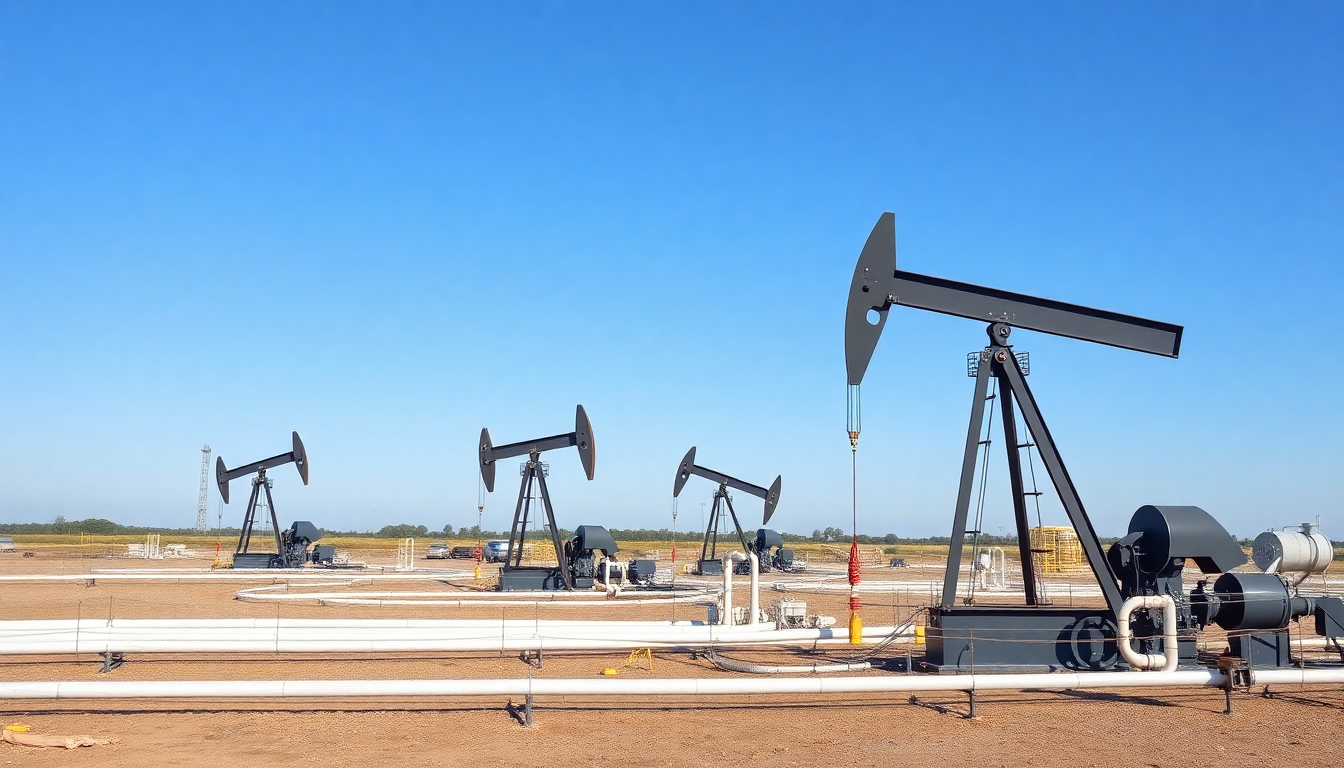
WRFM Value Loop: Maximizing Asset Value
📑 5 slides
👁 45 views
📅 3/6/2026
📄 PDF
Introduction to WRFM & Value Loop
WRFM integrates reservoir, well, and facility management to maximize production and economic value.
2
Six Core Stages of the Value Loop
- Strategy: Defines long-term objectives like production targets and recovery goals.
- Planning: Translates strategy into workover programs and surveillance campaigns.
- Execution: Implements interventions like well workovers and lift adjustments.
- Surveillance: Monitors production rates, water cut, and reservoir pressure.
3
Economic Impact of WRFM
- A 3% performance boost in a 100,000 BOPD field yields ~$82M/year.
- Reduces uncertainty and controls decline rates effectively.
- Optimizes capital allocation and operational efficiency.
- Aligns technical actions with measurable economic value.
4
Integrated Asset Teams
- Multidisciplinary teams include reservoir, production, and facilities engineers.
- Ensures decisions are technically sound and economically justified.
- Prevents silo optimization and aligns with corporate objectives.
- Weekly reviews convert data into collective action.
5
Conclusion & Key Takeaways
- WRFM transforms reservoir potential into sustained economic value.
- The Value Loop is a continuous cycle of improvement and optimization.
- Integration across disciplines prevents value leakage and maximizes returns.
- Even small efficiency gains compound into significant financial impact.
1 / 5