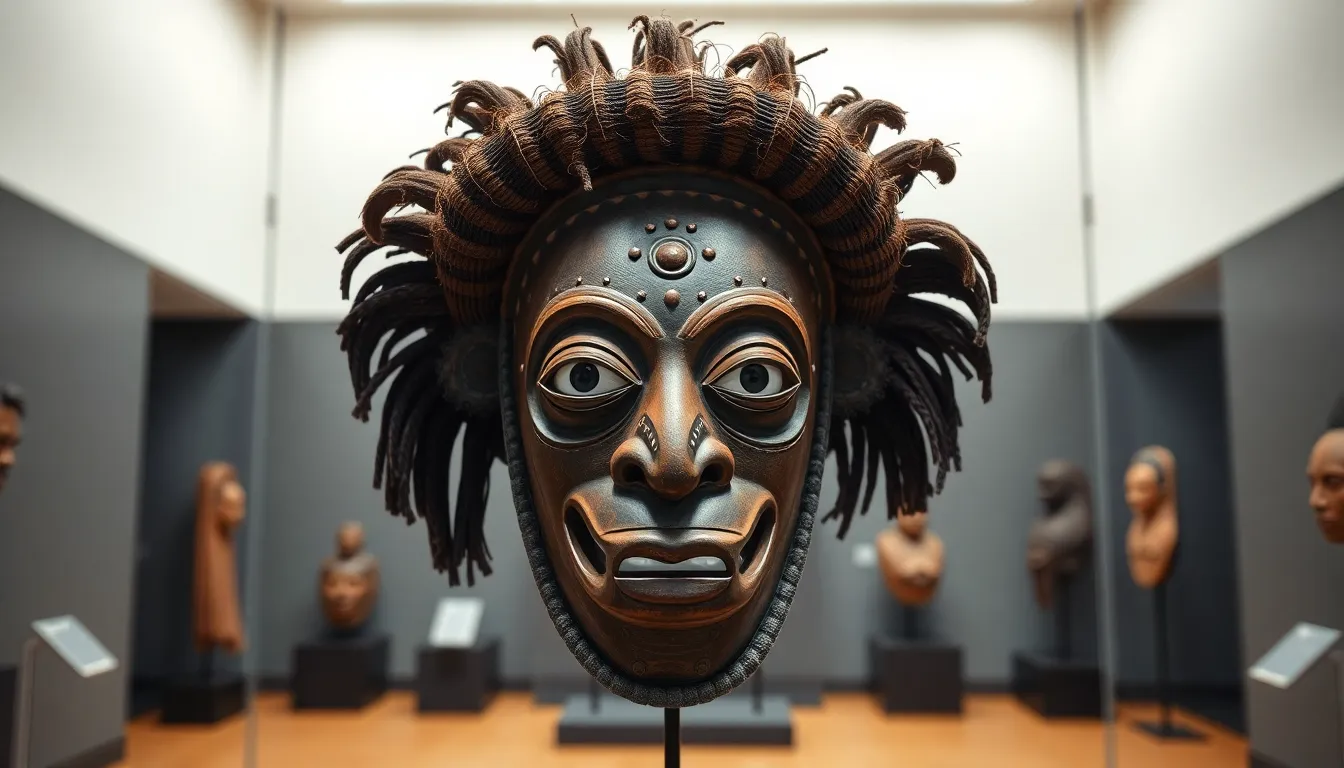
-- 1 of 1 --
📑 10 slides
👁 23 views
📅 1/29/2026
📄 PDF
Introduction to -- 1 of 1 --
Explores the idea of uniqueness and singularity in various contexts.
2
Historical Significance
- Historically, '-- 1 of 1 --' marked unique artifacts like royal crowns.
- Used in ancient manuscripts to denote irreplaceable texts.
- Symbolized power and rarity in medieval heraldry and seals.
3
In Art & Collectibles
- Artists create '-- 1 of 1 --' pieces to emphasize exclusivity.
- Collectors value these items for their irreplaceable nature.
- Examples include original paintings or signed first editions.
4
Digital Age: NFTs
- NFTs use '-- 1 of 1 --' to denote unique digital ownership.
- Blockchain technology ensures authenticity and scarcity.
- Popular in digital art, music, and virtual real estate.
5
Business & Branding
- Brands use '-- 1 of 1 --' for limited edition products.
- Creates a sense of urgency and exclusivity among customers.
- Examples: luxury watches, limited-run sneakers.
6
Scientific Uniqueness
- In science, '-- 1 of 1 --' can refer to rare phenomena.
- Examples: unique celestial events or undiscovered species.
- Emphasizes the importance of singular discoveries.
7
Personal Uniqueness
- Each individual is '-- 1 of 1 --' in their traits and DNA.
- Highlights the value of personal identity and diversity.
- Encourages self-expression and individuality.
8
Cultural Perspectives
- Different cultures interpret uniqueness in varied ways.
- Some celebrate it, while others prioritize community.
- Examples: tribal artifacts vs. modern art movements.
9
Future of Uniqueness
- Technology may challenge the concept of '-- 1 of 1 --'.
- AI and cloning raise questions about originality.
- Yet, human creativity ensures continued uniqueness.
10
Conclusion & Takeaways
- '-- 1 of 1 --' symbolizes rarity across history and fields.
- It drives value in art, science, business, and identity.
- Encourages appreciation for what makes things singular.
1 / 10