Color Theory in VFX

📑 10 slides 👁 18 views 📅 2/3/2026
0.0 (0 ratings)

Introduction to Color Theory

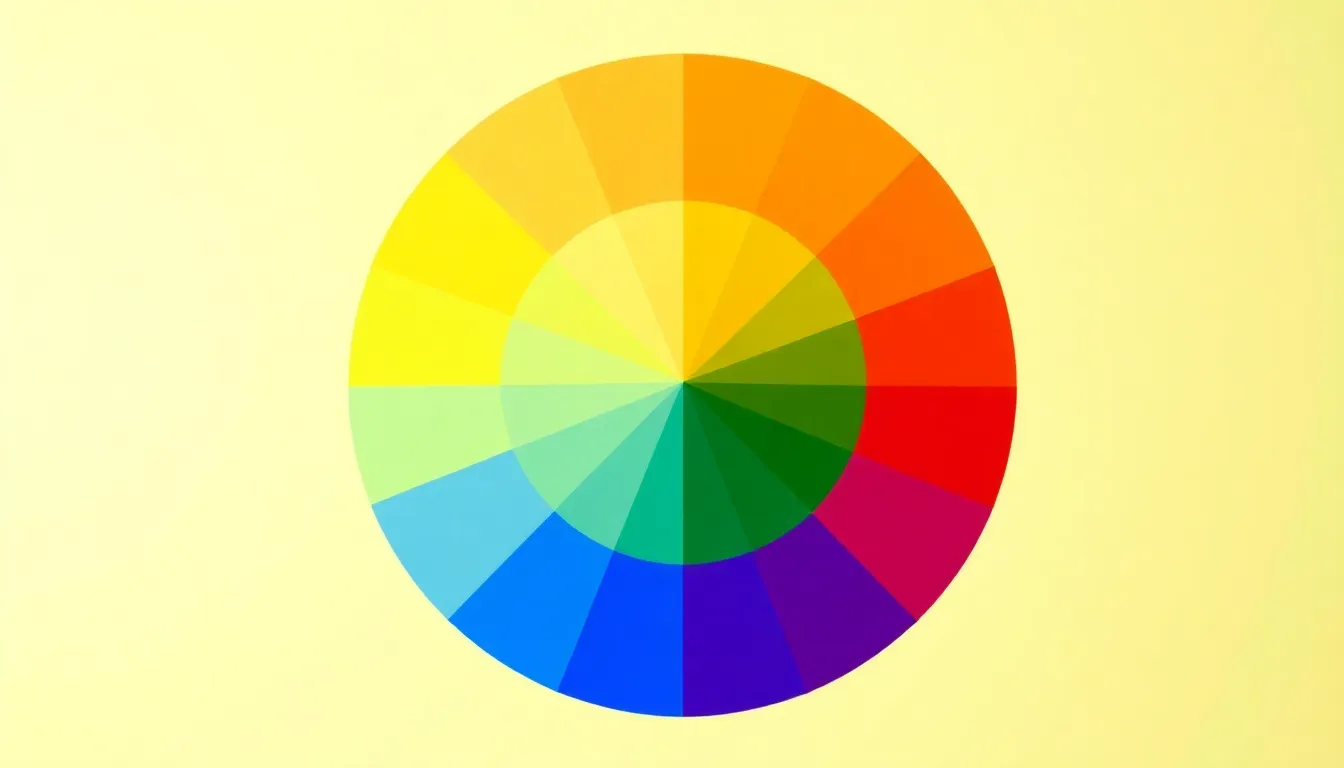
Color theory studies how colors interact and their visual effects

Introduction to Color Theory
2

Importance of Color in VFX

  • Color directs viewer attention to key elements in scenes
  • Proper color use maintains visual continuity across shots
  • Color affects perceived depth and dimension of CGI elements
  • 85% of VFX artists consider color crucial for realism
Importance of Color in VFX
3

Understanding Color Spaces

  • RGB: Additive color model for digital displays
  • CMYK: Subtractive model for print media
  • HSV/HSL: More intuitive representation for artists
  • Wide gamut spaces like ACES preserve color range
Understanding Color Spaces
4

Color Correction Techniques

  • Balances exposure and white point across shots
  • Corrects color casts from mixed lighting sources
  • Matches colors between different camera sources
  • Typically done before creative color grading
Color Correction Techniques
5

Creative Color Grading

  • Establishes visual style and mood of production
  • Creates time/location cues through color palettes
  • Modern tools allow non-destructive adjustment layers
  • Often uses LUTs for consistent look across scenes
Creative Color Grading
6

Correction vs Grading

  • Correction fixes technical issues, grading adds style
  • Correction happens first in post-production pipeline
  • Grading decisions often involve director and DP
  • Correction uses scopes, grading relies more on artistry
Correction vs Grading
7

Mood & Look Development

  • Cool tones often used for sci-fi or dramatic scenes
  • Warm tones create inviting or nostalgic feelings
  • Desaturated looks convey grittiness or realism
  • High contrast adds intensity and visual punch
Mood & Look Development
8

Film Case Studies

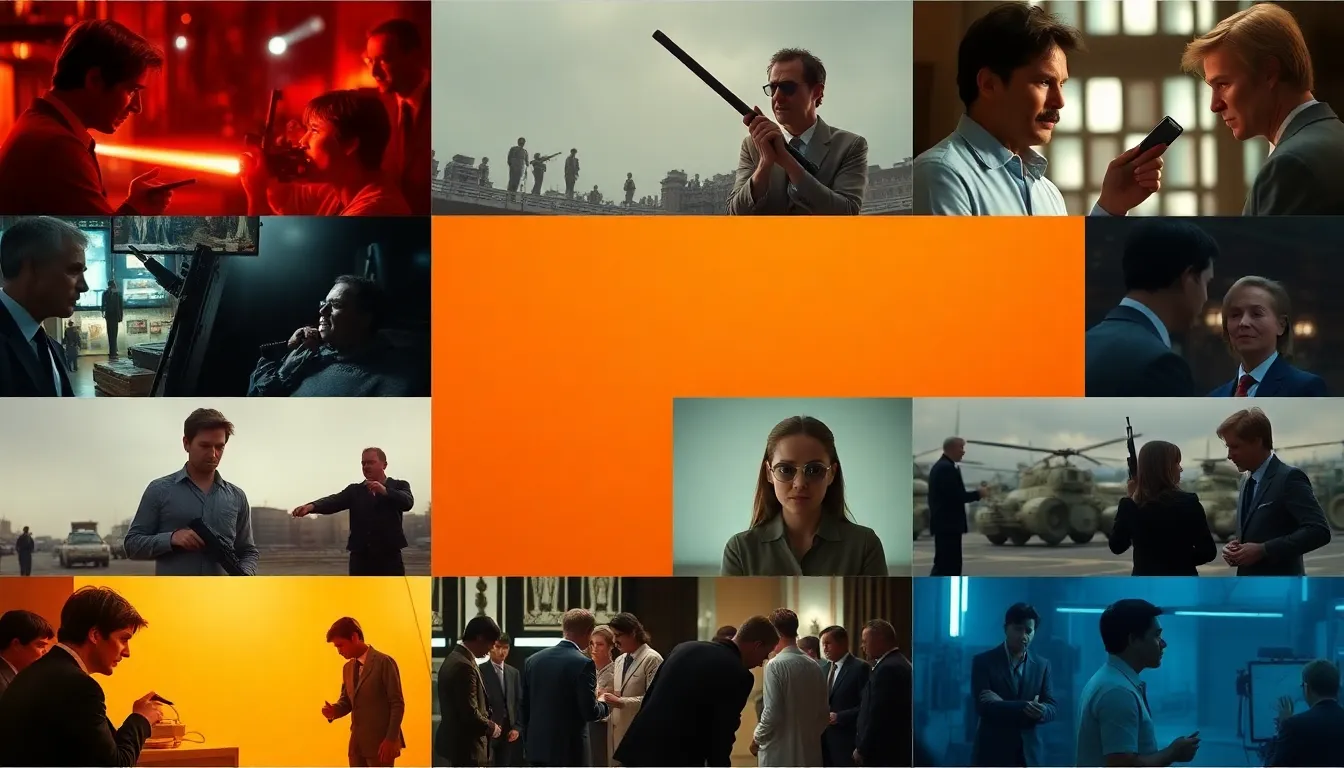
  • Mad Max: Fury Road - orange/teal dichotomy
  • The Matrix - green tint for virtual world
  • Amelie - warm golden tones for whimsy
  • Blade Runner 2049 - minimalist color storytelling
Film Case Studies
9

Practical Applications

  • Use color to guide audience through visual hierarchy
  • Maintain consistency across shots in a sequence
  • Consider cultural associations of different hues
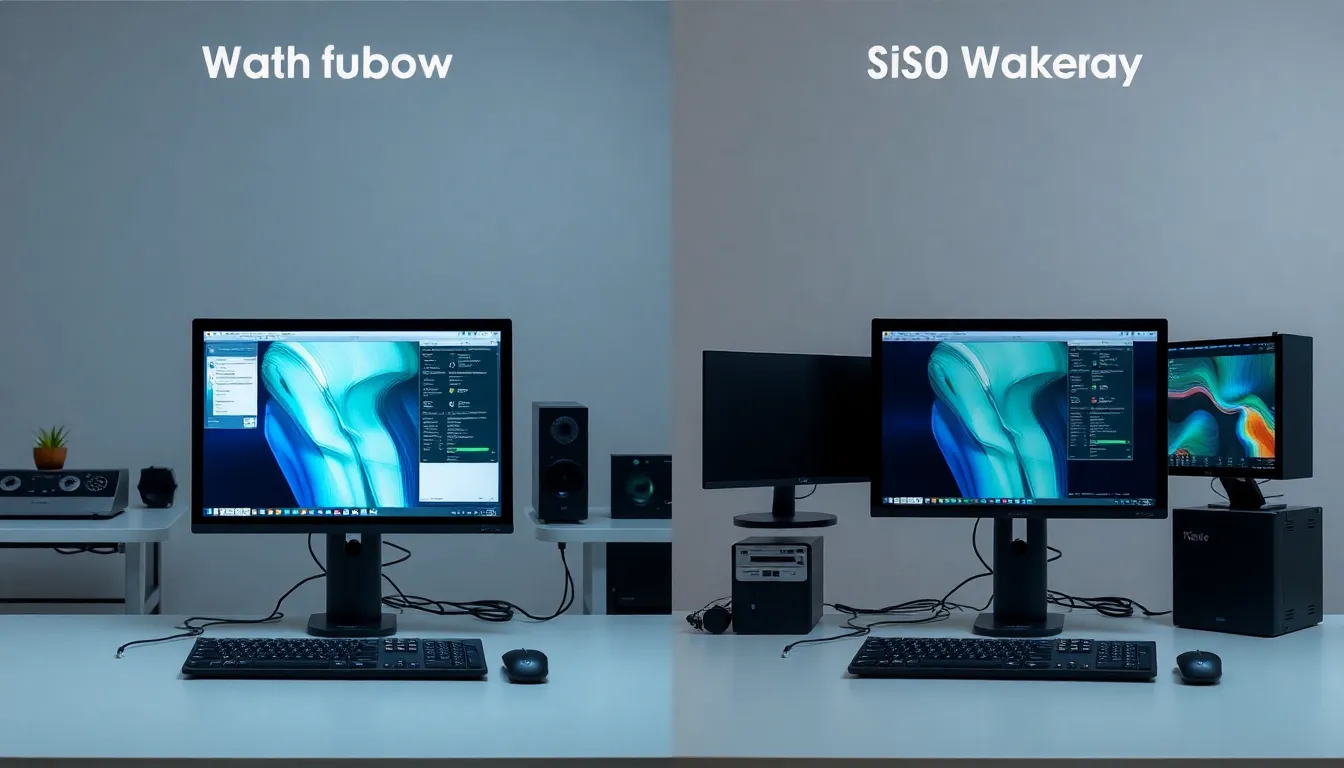
  • Test colors on reference monitors before finalizing
Practical Applications
10

Conclusion & Key Takeaways

  • Color theory provides foundation for all visual work
  • Technical correction enables creative grading
  • Color choices profoundly impact storytelling
  • Mastering color gives competitive edge in VFX
Conclusion & Key Takeaways
1 / 10